A Steiner Education Overview
A Steiner Education
A Unique Education
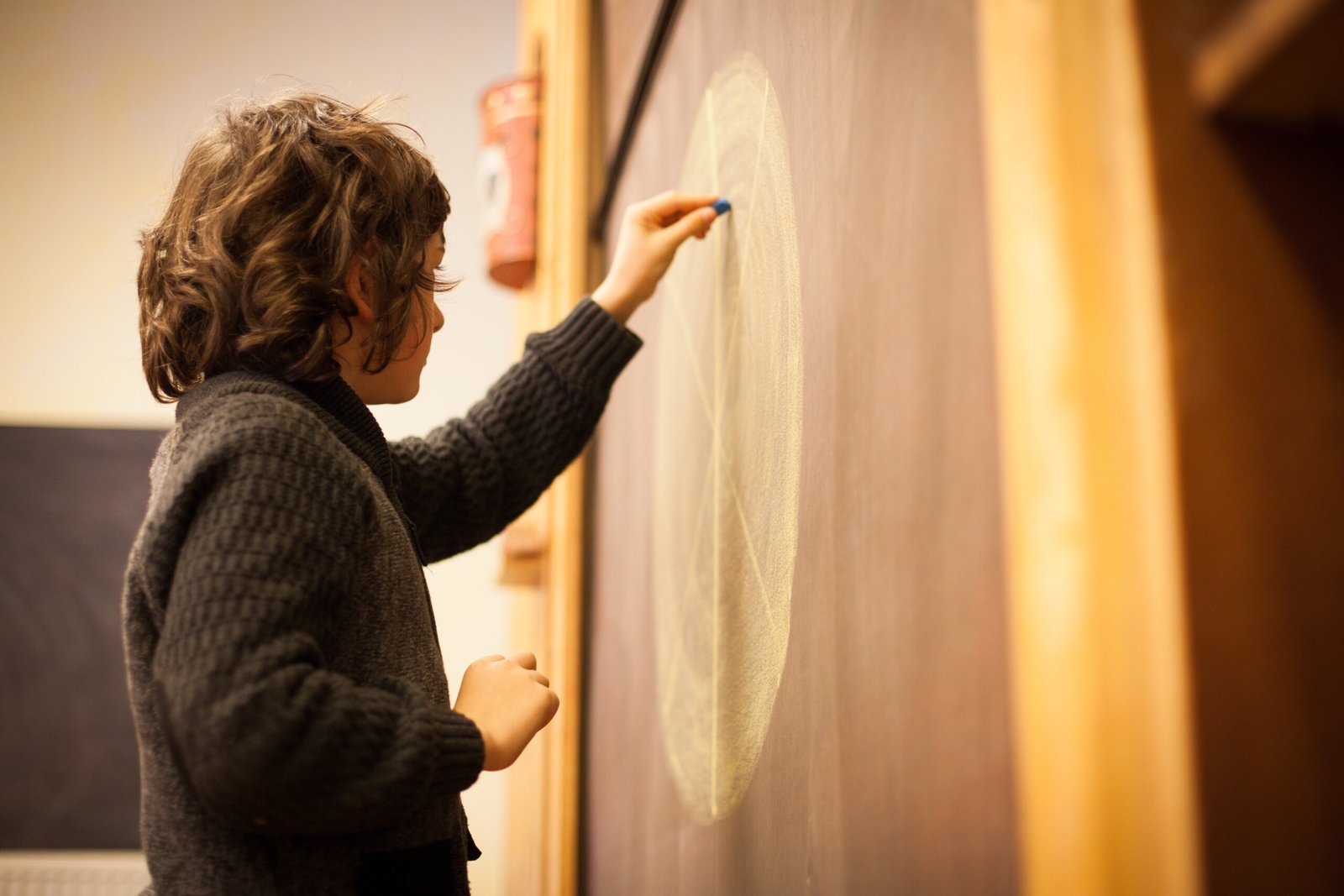
Based upon the principles of the internationally recognised Steiner Waldorf curriculum, our aim is to develop responsible, free-thinking young people who can contribute to society with initiative and purpose.
Steiner described his ideal of a comprehensive education as one that encompasses everyone regardless of of social or religious background. The basis of this ‘art of education’ was – and still is – a deep understanding of the physical, emotional , intellectual and spiritual needs of the developing human being.
The philosophy (Anthroposophy) behind the education can be applied to all walks of life and it is out of this that the teachers work. The philosophy itself, however, is not taught to the children.
From Kindergarten to the final year (Class 12) subject matter is linked to a child’s developmental stage, which both inspires and motivates the pupils. Teachers teach to the whole child – and each lesson is revealed in a three-fold manner: through the intellectual capacities (thinking), artistic and emotional capacities (feeling), and practical skill-building capacities (willing). All subjects are linked, and each lesson integrates academic work with fine arts and practical arts, so that a child is not only intellectually engaged, but emotionally and aesthetically invested in their learning.
This holistic approach to education, something which Curriculum for Excellence is striving to achieve, provides our pupils with a number of key benefits.
Key Benefits
A Love of Learning
Formal learning (desk based learning) is delayed until the age of six or seven years allowing pupils to develop literacy, numeracy and social skills through play-based learning in the Kindergarten. When they enter the Lower School, our pupils are ready to embrace formal learning. Classes are therefore arranged in Class Ages which differ from other schools.
A Curriculum that Spans 12 years
Secondary education flows naturally from what has been taught before, and with the school located in the beautiful grounds of one single campus, the transition between the Lower School and Upper School is seamless.
Development of Skills for the Twenty-First Century
The curriculum addresses all the multiple intelligences, including emotional literacy and kinesthetic learning, while bringing into balance the attributes of the right and left hemispheres of the brain. This develops analytical, logical and reasoning skills as education has always done, but also focuses on the development of imagination, creativity, memory and flexible thinking – skills highly prized in today’s society.
A Broad Understanding of the World
Unique to Steiner Schools, Main Lessons are topic blocks which are studied daily for up to two hours over four weeks. Main Lessons link subject matter to the phases of child development, which motivates and inspires a love of learning. Using cross-subject learning, Main Lessons create a deep, rich and broad appreciation for the topic being studied and enables our pupils to develop a broader understanding of the world in which we live.
Creating International Citizens
We understand the importance of becoming responsible global citizens and French and German are taught from the age of six years. At the age of 14 years pupils undertake an extended exchange programme with Steiner Schools in France and Germany. The school community also benefits from the many visiting students who attend from all over the world.
Rudolf Steiner
“Good education creates space where children can truly experience their childhood. A true experience of childhood fosters creativity and independence in adult life.”
History of Waldorf Education
In September 1919 the first Waldorf school was established for the children of workers at the Waldorf-Astoria Cigarette Company by Rudolf Steiner at the behest of the owners Emil and Berta Molt. Today there are over 1,100 Waldorf schools and 2,000 kindergartens around the world. Founded in 1939, Edinburgh Steiner School is proud to be part of this international network of schools, providing a curriculum which is as innovative and relevant as it was nearly 100 years ago.
Visit Us
Book to join an Open Tour. Alternatively, meet our Interim Head of School, Nick Brett / Education Manager, Alistair Pugh who will be happy to walk you around our all-through campus.
What Makes Us Different
What makes us different?
Lower School
From the start of formal education in Class 1 until the end of Class 8, the Class Teacher has overall responsibility and care for the class, thereby creating an ideal environment for sustained and supportive learning. In our rapidly changing world, having the same Class Teacher through most, if not all, of their Lower School years provides a haven of stability and continuity which is extremely rare in other schools. The children develop a unique level of trust and confidence in their teacher while their teacher gains a deep understanding of the strengths and needs of each child.
It also means a close and supportive relationship is developed between the Class Teacher and the parents/guardians.
Main Lesson Programme
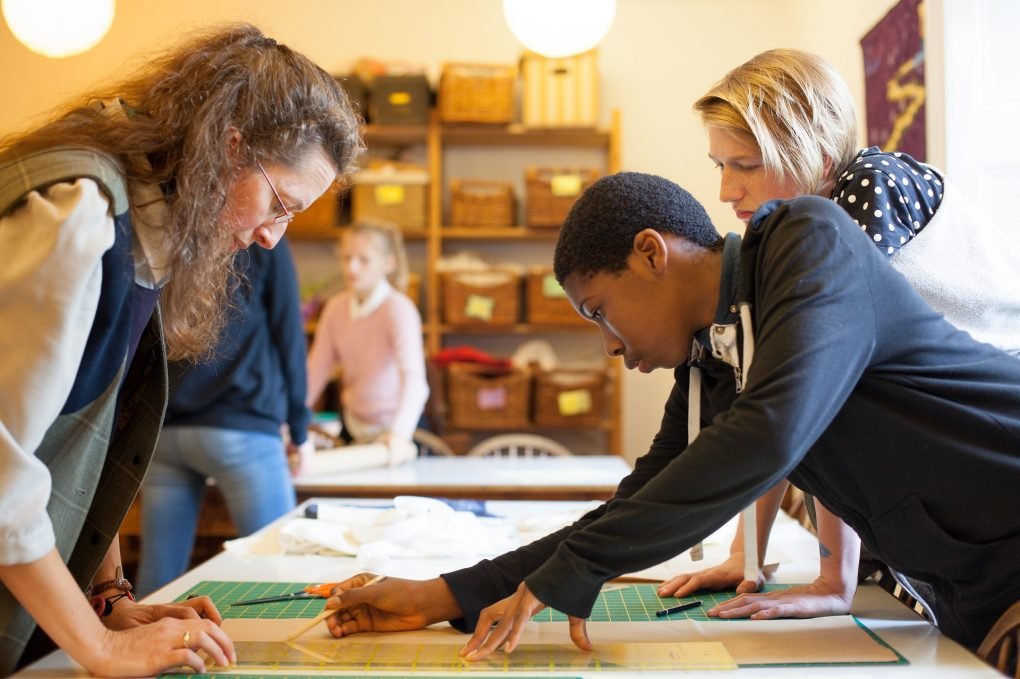
The cornerstone of Waldorf education worldwide is the Main Lesson. Nowhere does this differentiate us most from the mainstream approach than in the Upper School. At a time where most young people become specialised as a result of their exam choices, pupils at ESS continue to study a broad spectrum of subjects in a non-examination environment.
To learn more about this cornerstone programme in Waldorf education, read: What Is A Main Lesson? And Why Is It Such A Big Part Of The Timetable?
An overview of the Upper School Programme of Main Lessons: ESSTalks.org/u
Creative Thinking Skills
Complimenting our exam diet of Nat 5s to Advanced Highers is the innovative Integrative Education Certificate that is equivalent to three GCSEs. It is entirely portfolio-based, honing eleven creative thinking skills - highly prized in the AI-era; embarked on a whole year younger than the specified age for this qualification and level of study, such is our pupils’ capacity for focused, self-directed activity. Find out more about:
Settling In
When pupils join the school they are assigned a buddy from their class, while additional classes are offered to enable them to reach the same level as their peer group. This is particularly important for pupils who join midway through the school and who have not had the opportunity to study Modern Languages previously.
Our Staff
All teachers at the school have been formally trained as Steiner teachers but the school recruits not only on the basis of appropriate qualifications but rather seeks out those teachers who can demonstrate a genuine passion for the education of young people. It is our staff’s enthusiasm, determination, commitment and ability to inspire our pupils to strive for success that sets our school apart.
School Starting Age of Six
Scotland is an outlier regarding starting school age, with only 12% of the nations worldwide starting school before age 6. All but two are former members of the British Empire. On paper CfE has a profound understanding of child development, encouraging a play-based start for children under seven. Yet for most young children aged 4 and 5 who will start P1 in August, this will not be what meets them.
The Now We Are Six documentary by an award-winning education filmmaker, explores Scotland’s cultural values behind one of the youngest school starting ages in the world, getting to grips with the countrywide failure to turn the play-based principles of CfE’s Early Level (ages 3 – 7) into practise over the last decade. For more than 85 years, our flagship Steiner Waldorf school, featured in the film, starts formal education at age 6.
Upper School
Each class is assigned a Guardian who looks after their overall well-being throughout their time in the Upper School. He or she carries a deep knowledge of the Steiner curriculum, as it relates to the Upper School program, and guides the pupils knowledgeably through the crucial stages of adolescence.The Guardian is many things: mentor, confessor, authority figure, bank manager, diary secretary, curriculum manager, go- between, arbiter, and trip organiser. The ultimate aim of the Guardian is to evolve from manager and authority figure into partner; someone who works with an independent and self-motivated group of young adults to help them achieve their potential and contribute in a lasting and positive way to the school and wider community. The most fundamental definition of Steiner education is ‘education towards freedom’.
At any time, pupils can make a confidential appointment with Careers Guidance, meet with their Class Guardian or a member of the School’s Management Team to discuss any issues or concerns that they may have.
Exam Results & Destinations
Exam Results & Destination
Teachers teach to the whole child—head, heart, and hands and each lesson is revealed in a three-fold manner: through the intellectual capacities (thinking), artistic and emotional capacities (feeling), and practical skill-building capacities (willing).
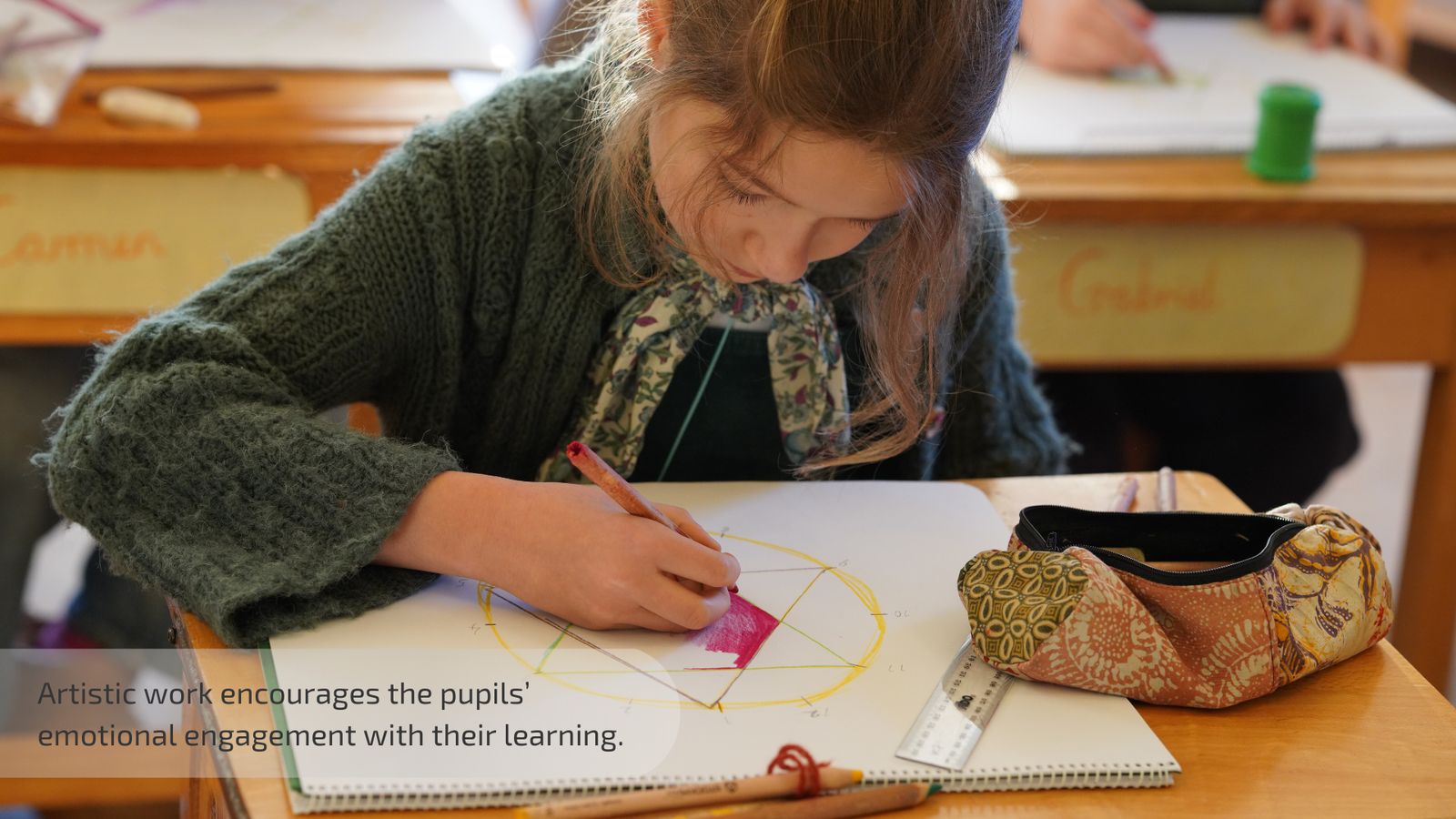
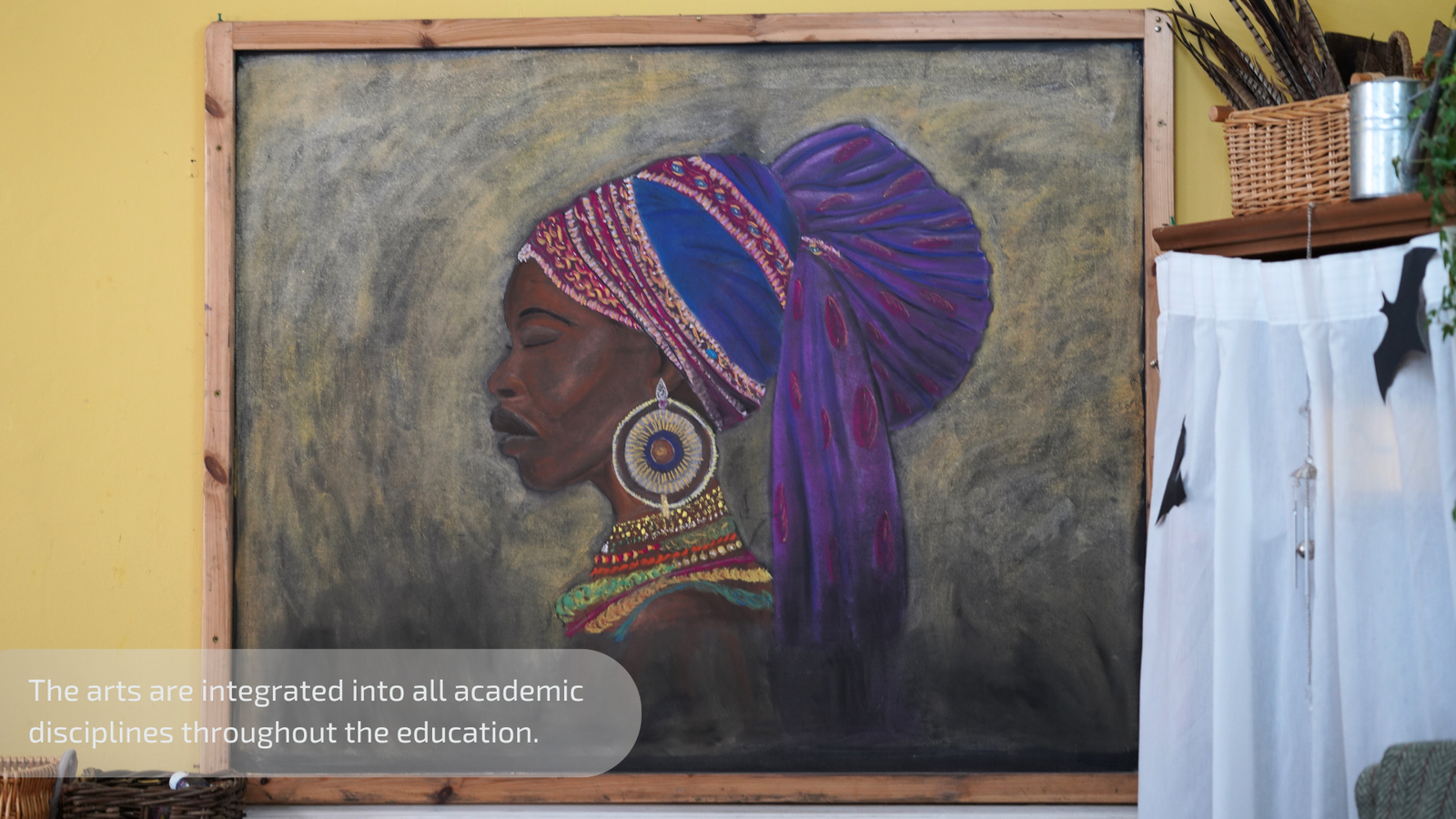
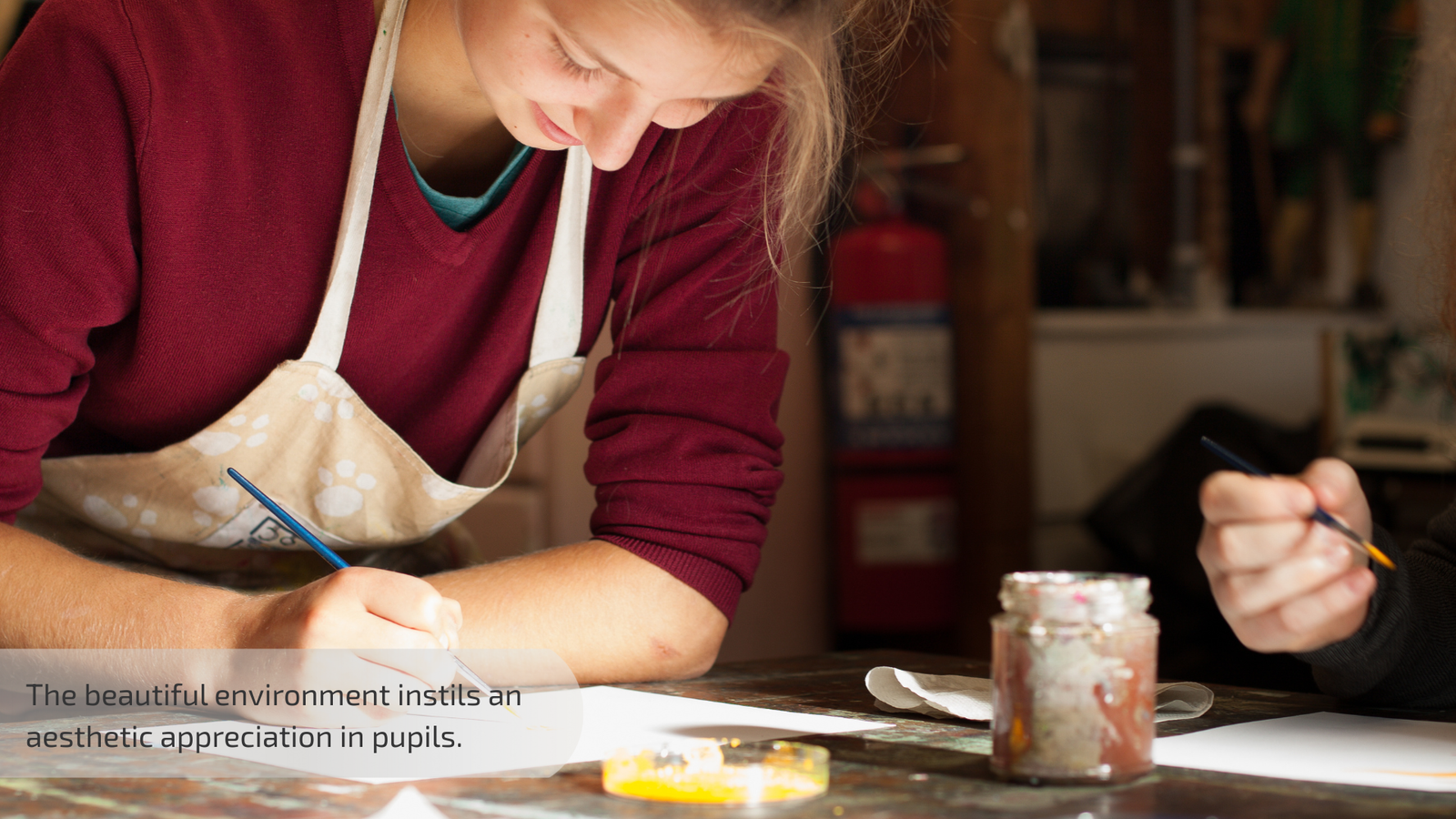
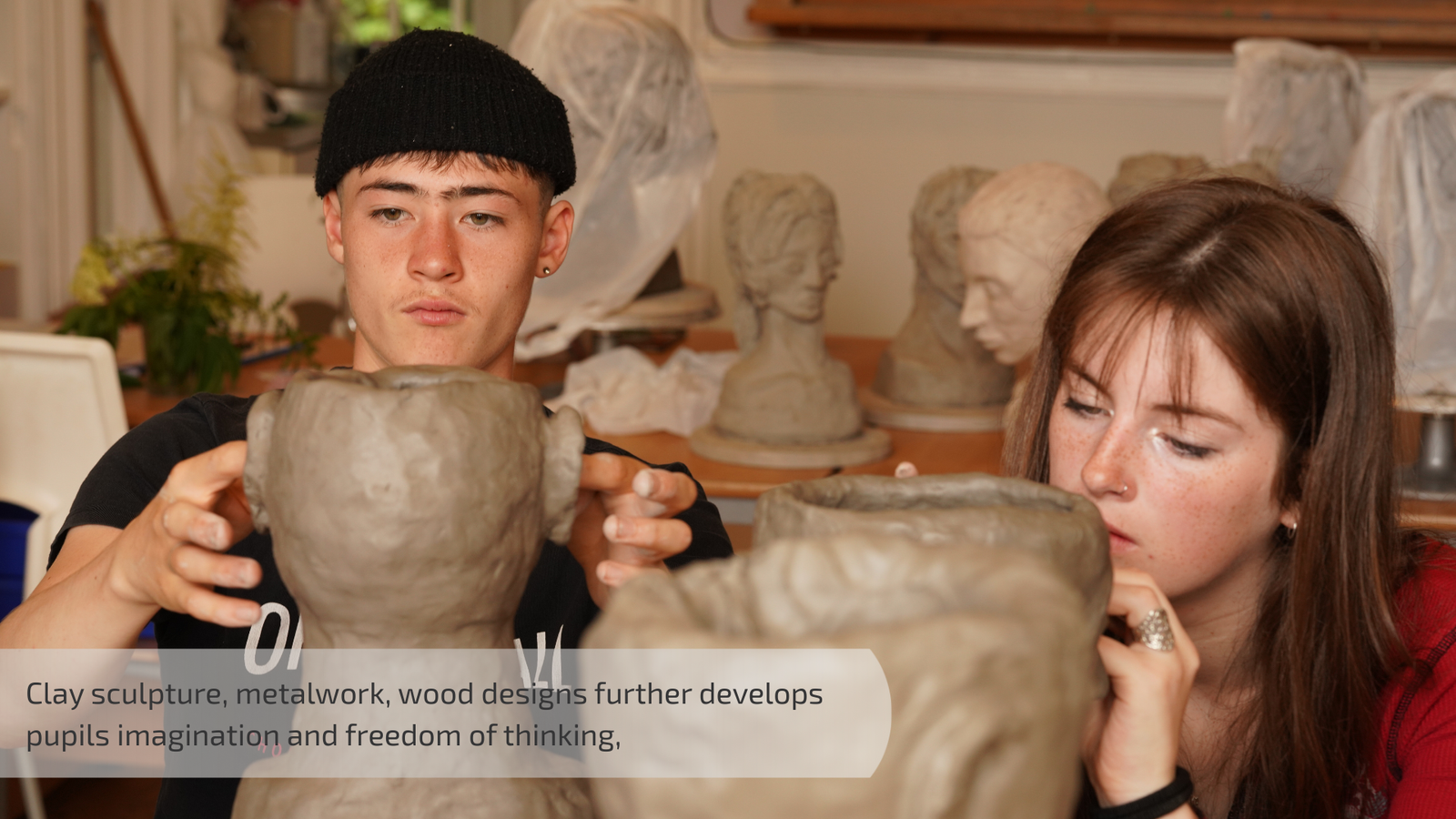
A unique aspect of the Steiner curriculum is the integration of the arts into all academic disciplines throughout the education. This encourages the pupils’ emotional engagement with their learning, as well as develops their imagination and freedom of thinking, and instills aesthetic appreciation.
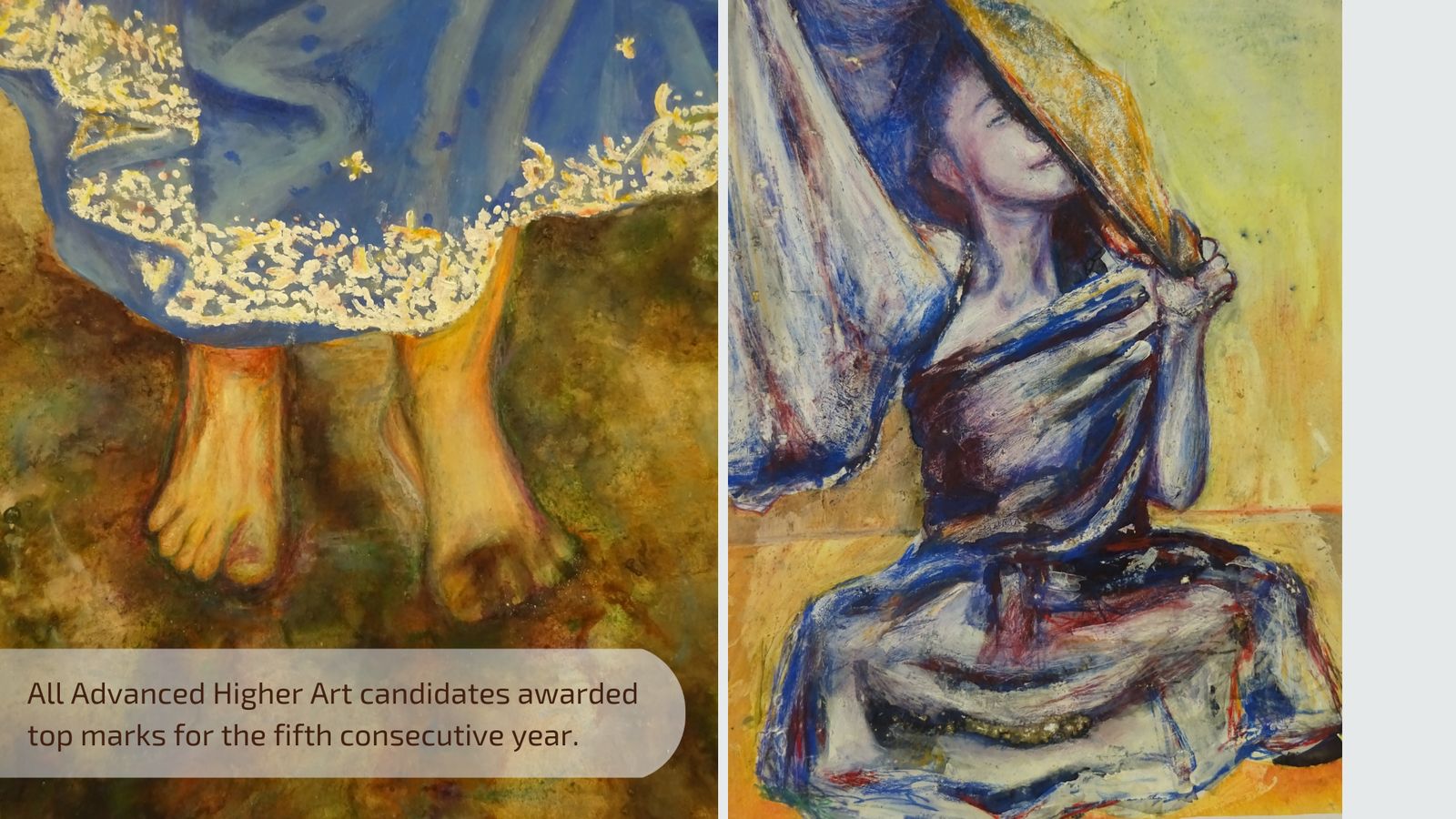
98% of pupils passed their Highers in 2025, with two-thirds achieving an A. All Advanced Higher Art candidates awarded top marks for the fifth consecutive year. We are a world-leading centre for the Cambridge English exam, with an established 100% pass rate.
We are a registered centre for the innovative Integrated Education suite of portfolio-based qualifications that develop eleven creative thinking skills - equivalent to three GCSEs.
It is worth noting that Edinburgh Steiner School has a comprehensive intake approach and does not select on academic grounds at any stage, and yet our Exam results are well above the Scottish average and compare favourably with other independent schools in Scotland.
- Alistair Pugh, Examinations Coordinator
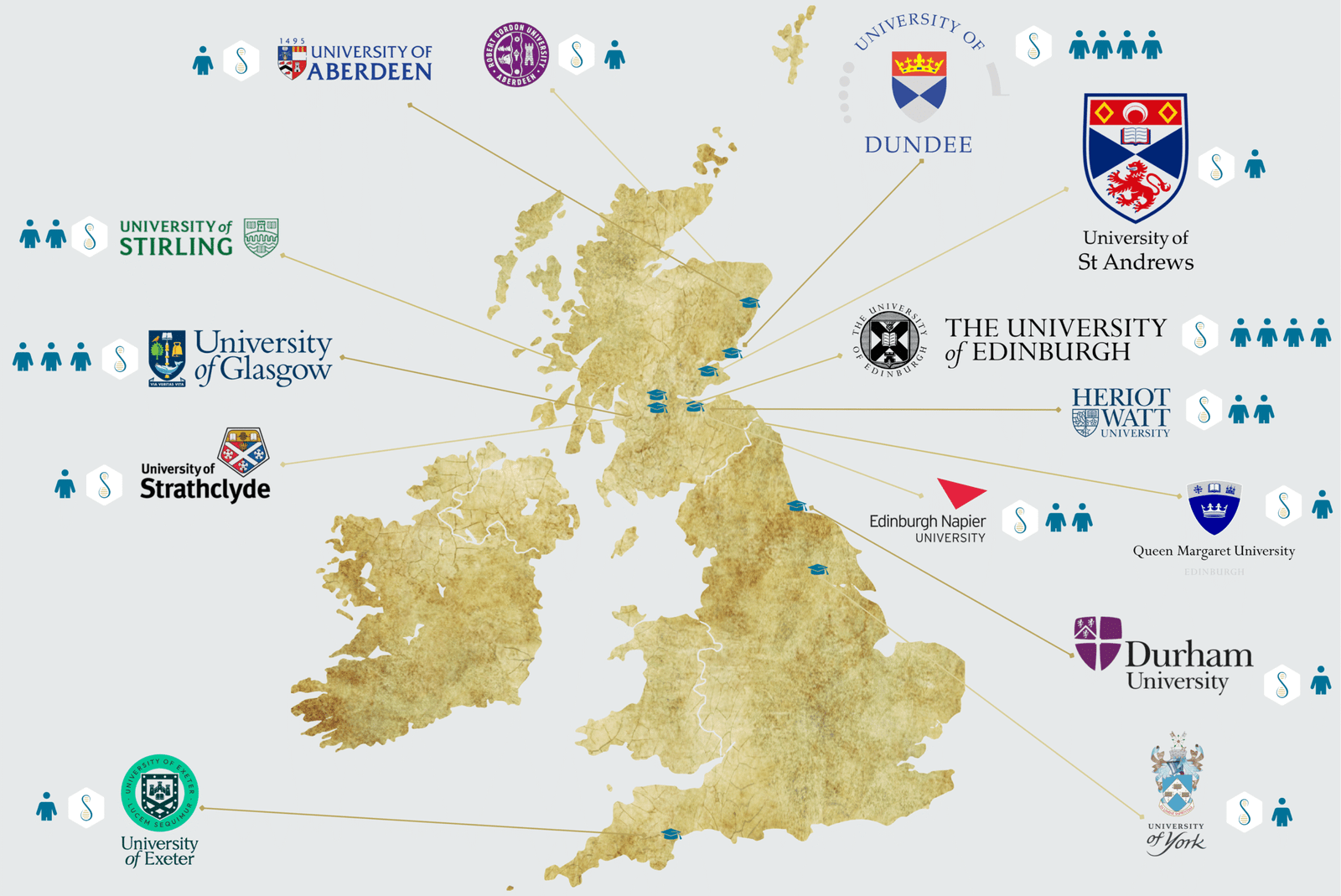
Over ninety per cent of our pupils continue on to further education, including places at prestigious Russell universities
I believe that my time at the school has equipped me with skills that have enabled me to navigate the challenges and uncertainties of today’s job market much more confidently than many of my peers.
-- Dominique McKie
Creative Arts & Sciences

Creative Arts & Sciences
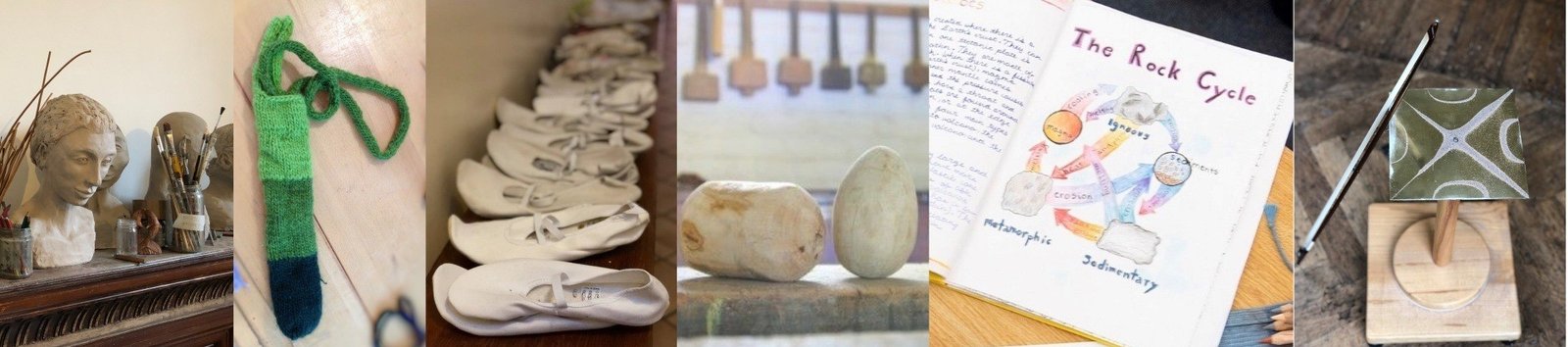
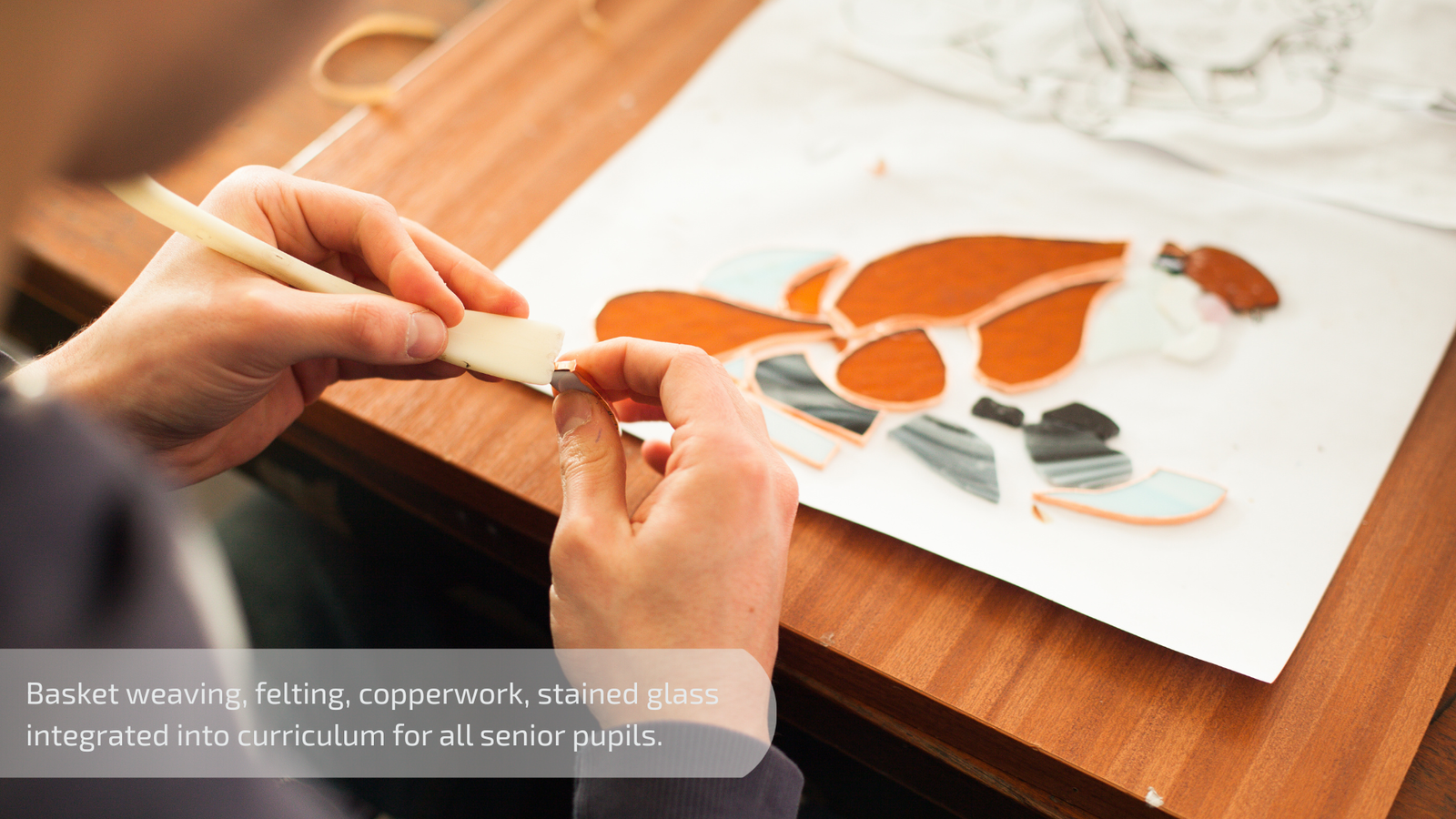
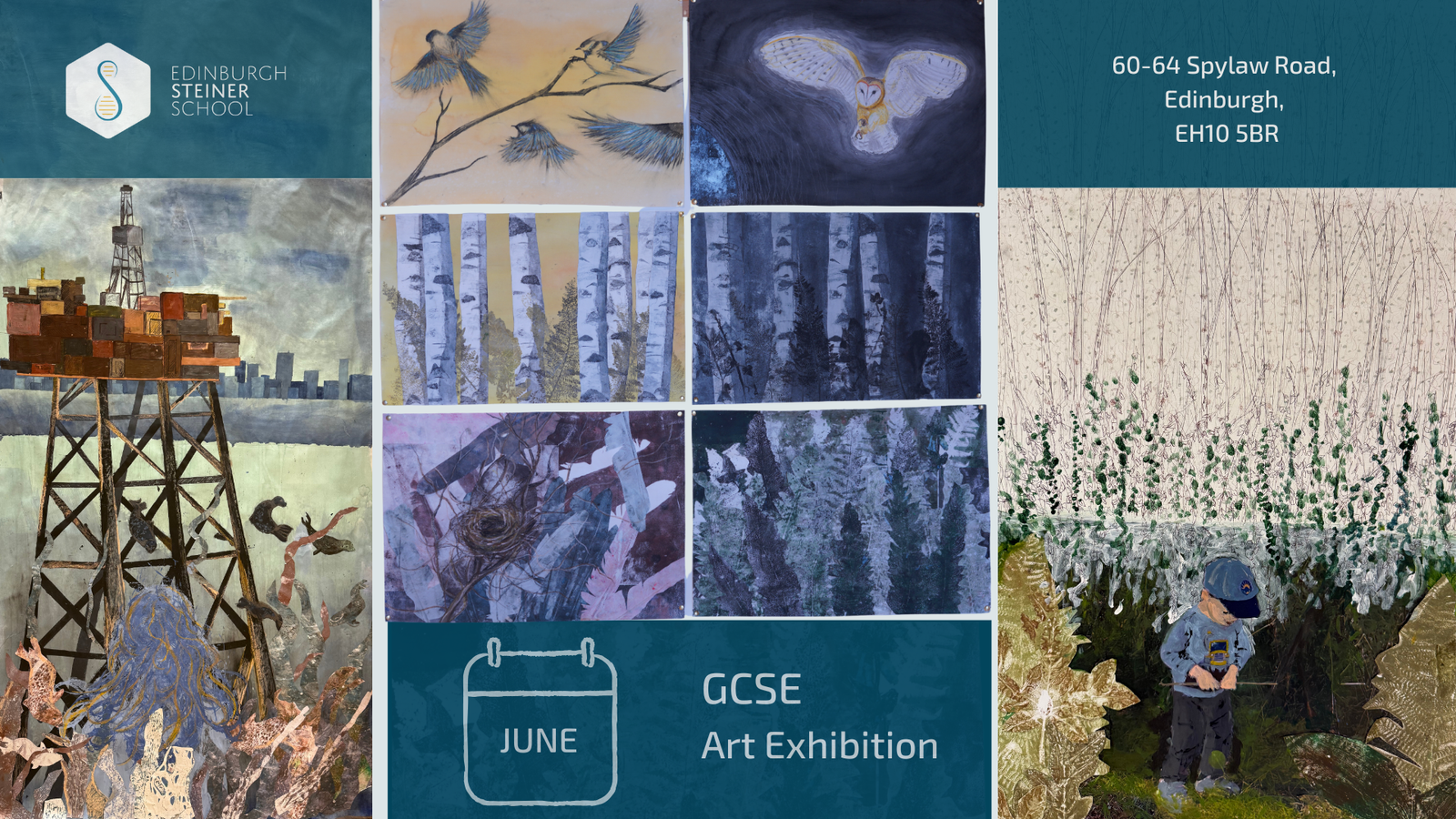
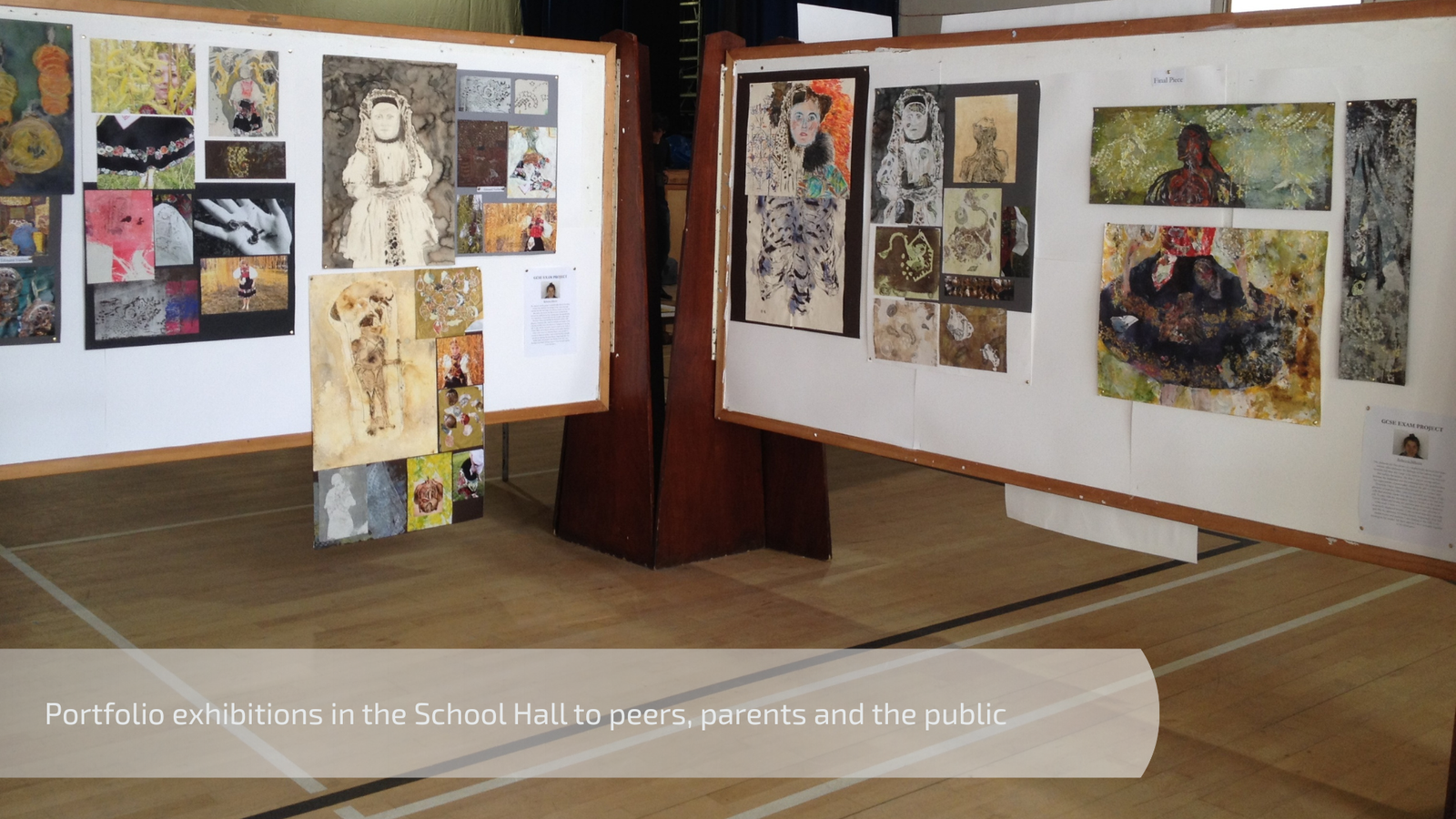
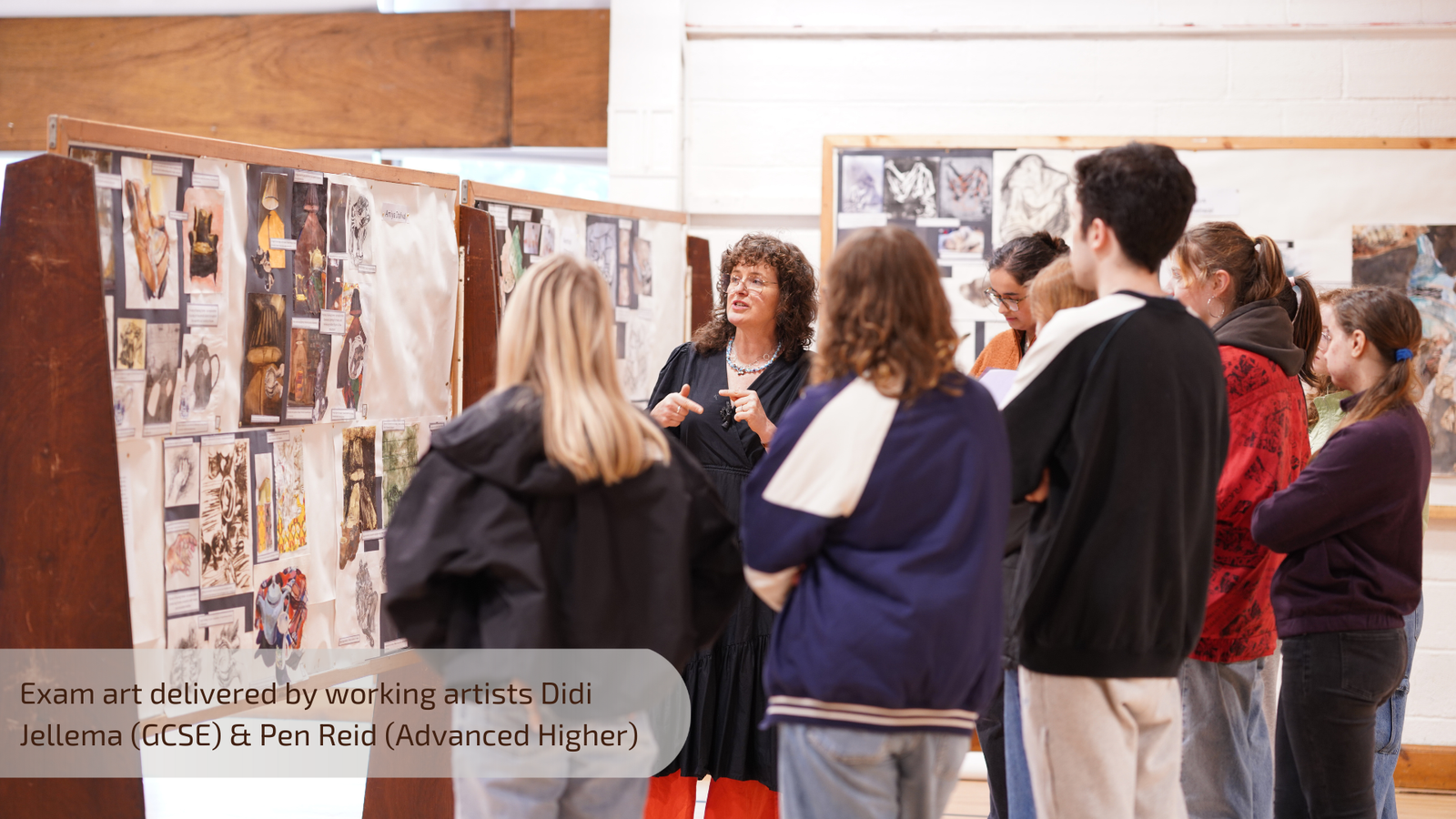
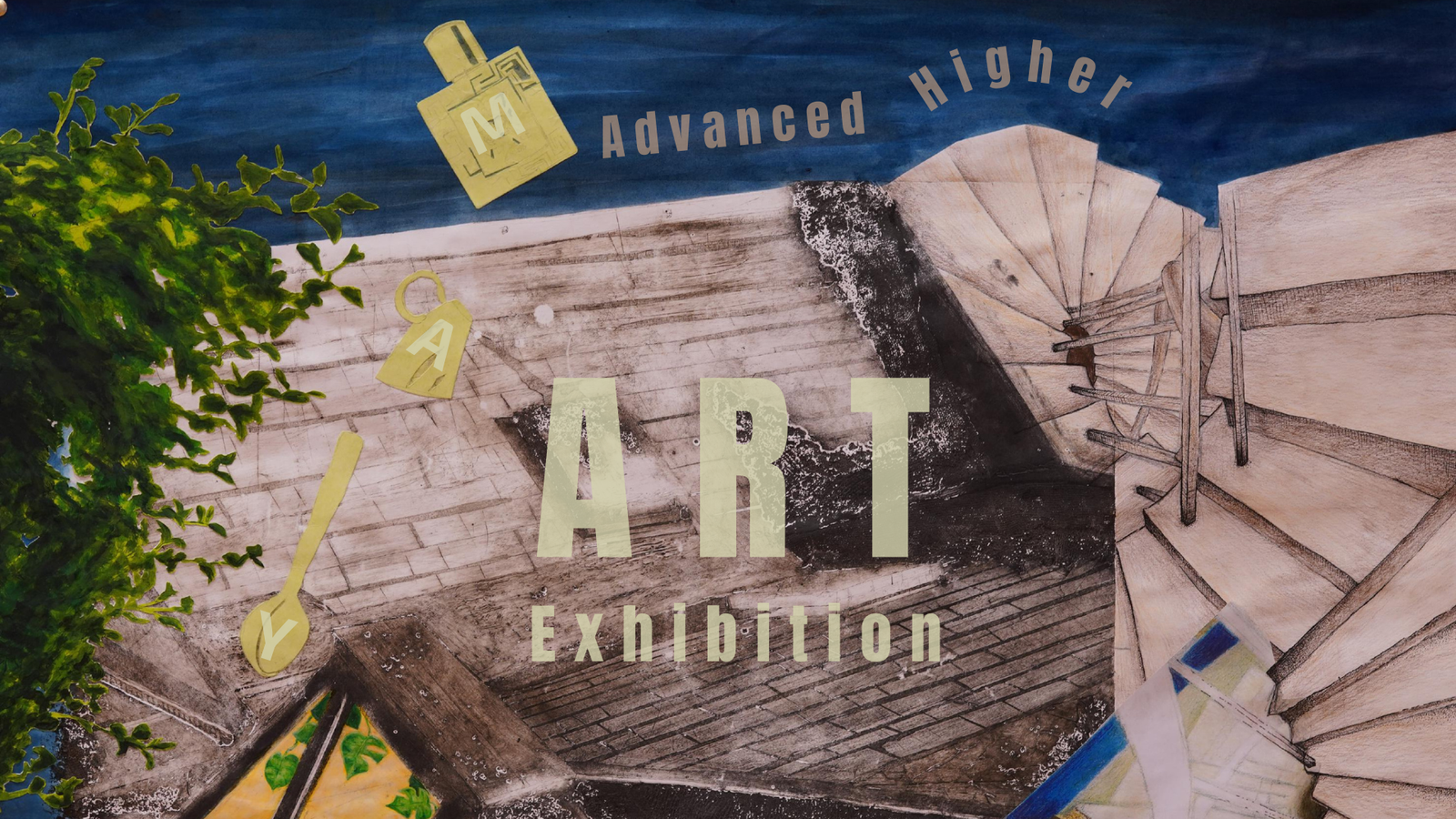
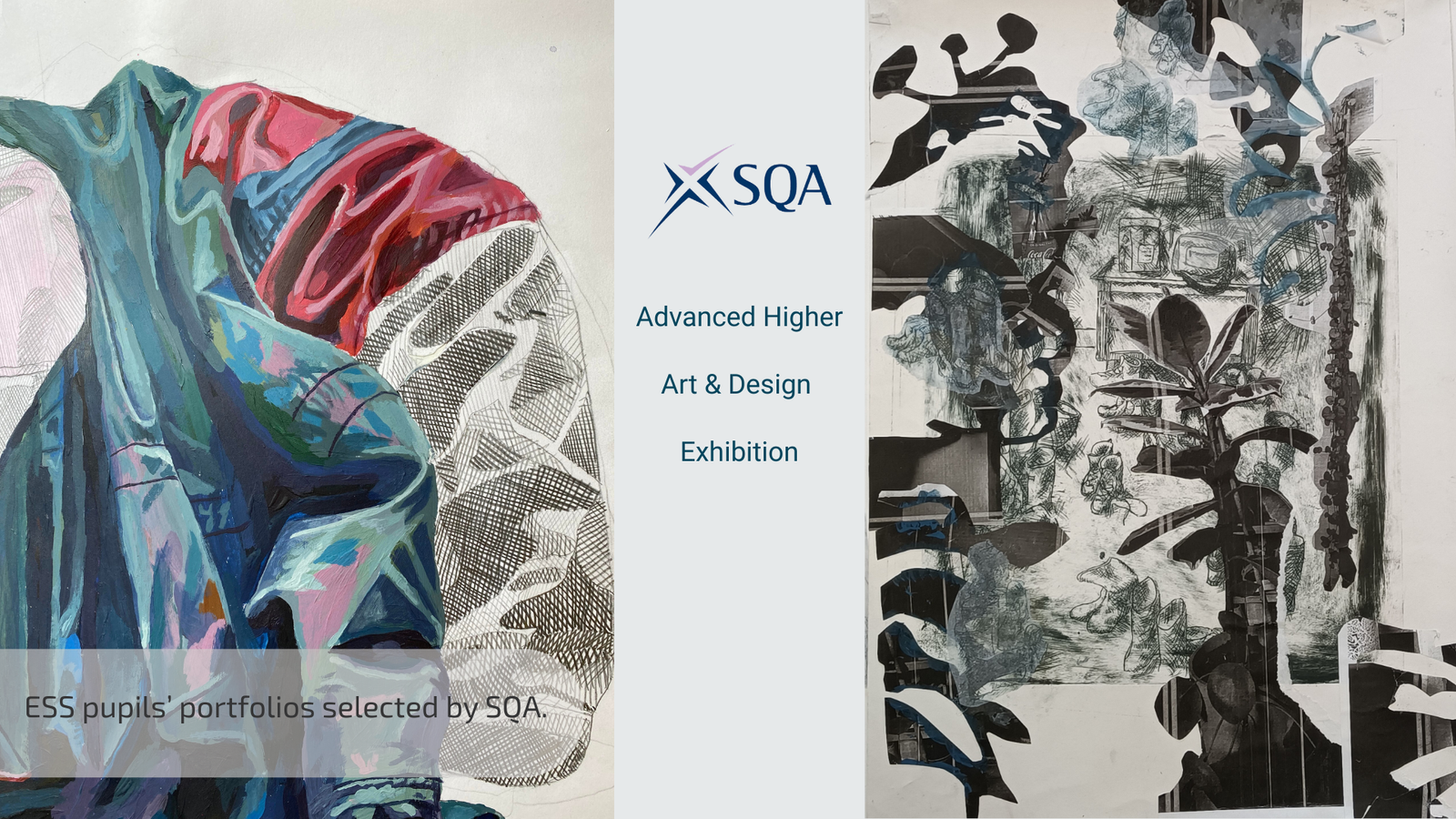
Pupils at Edinburgh Steiner School benefit from a curriculum which embodies unique breadth and depth, spanning the creative arts, humanities and natural sciences. While the school is known for its outstanding exam results in Art & Design—the foundations for which are laid by exposing pupils to a wide range of skills, including handwork, clay modelling, basket-weaving and stained glass - we are equally proud of our sciences.
Teachers teach to the whole child - head, heart, and hands and each lesson is revealed in a three-fold manner: through the intellectual capacities (thinking), artistic and emotional capacities (feeling), and practical skill-building capacities (willing).
I believe that training in the arts, especially classical music but also painting and writing, trains the mind because it teaches a person that one cannot be creative and innovative if one doesn’t first master a skill. Creativity comes on top of technical ability.
- Professor Thomas Sudhof, Nobel Laureate in Neuroscience and Waldorf Graduate
Art
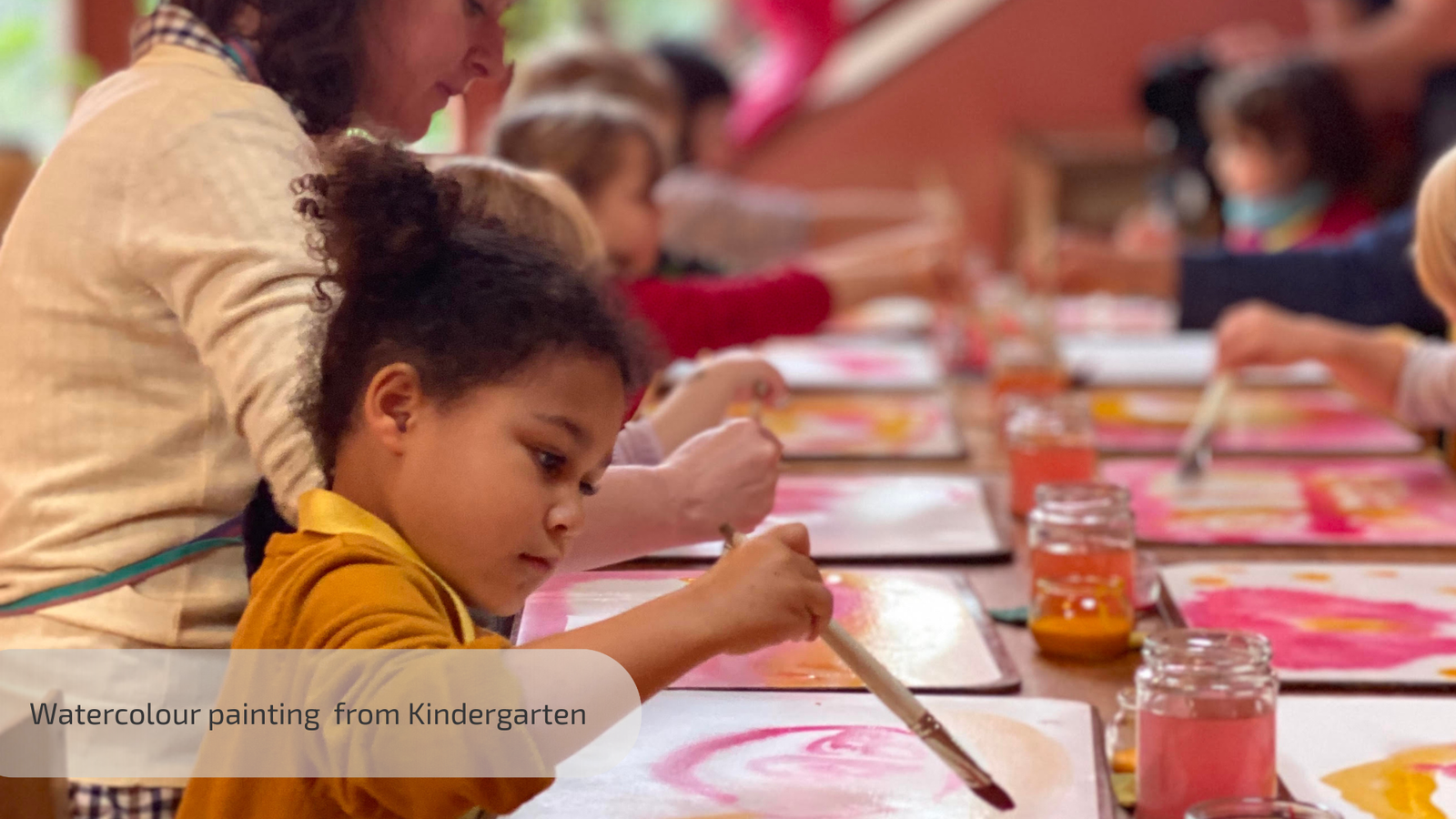
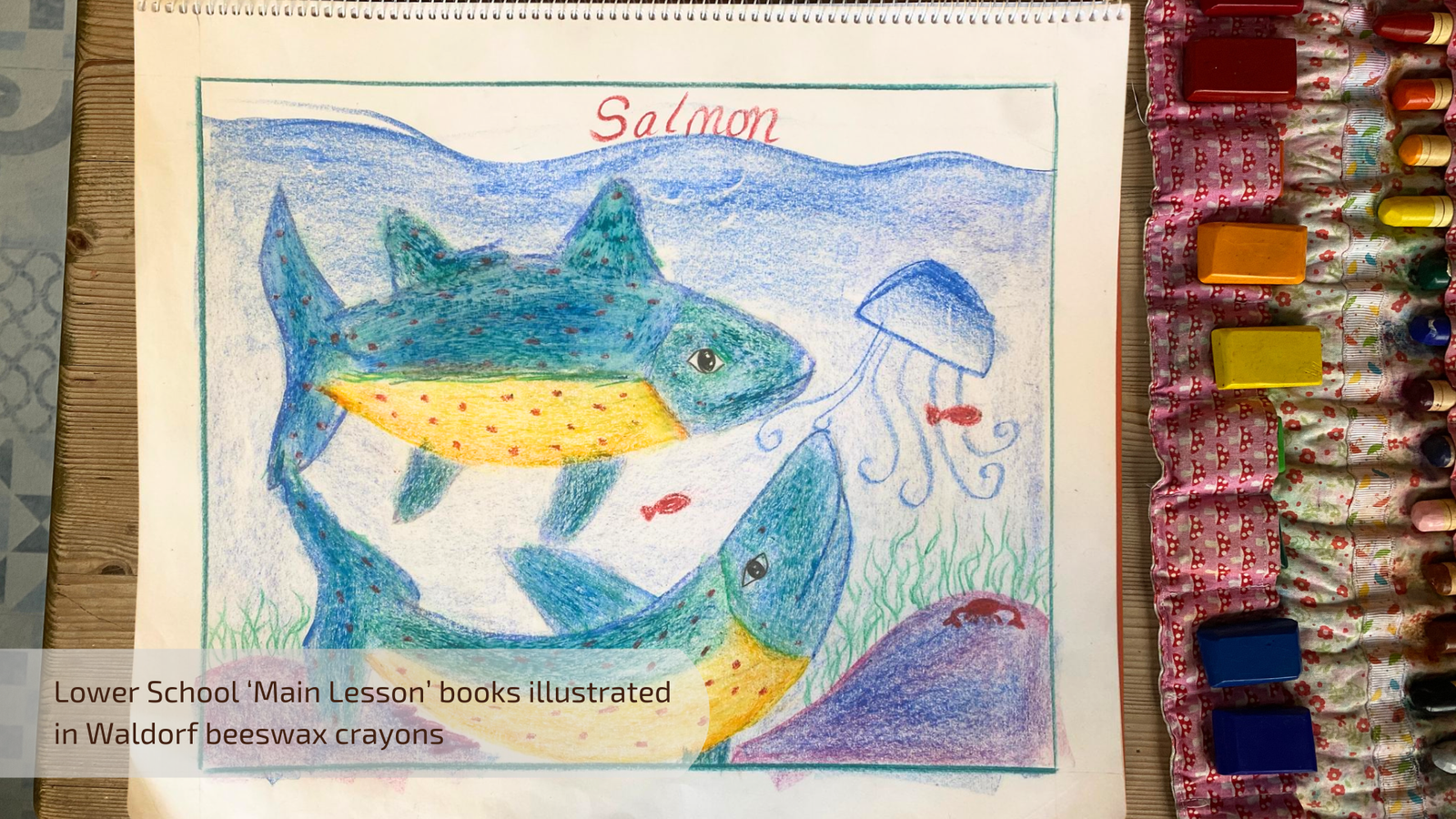
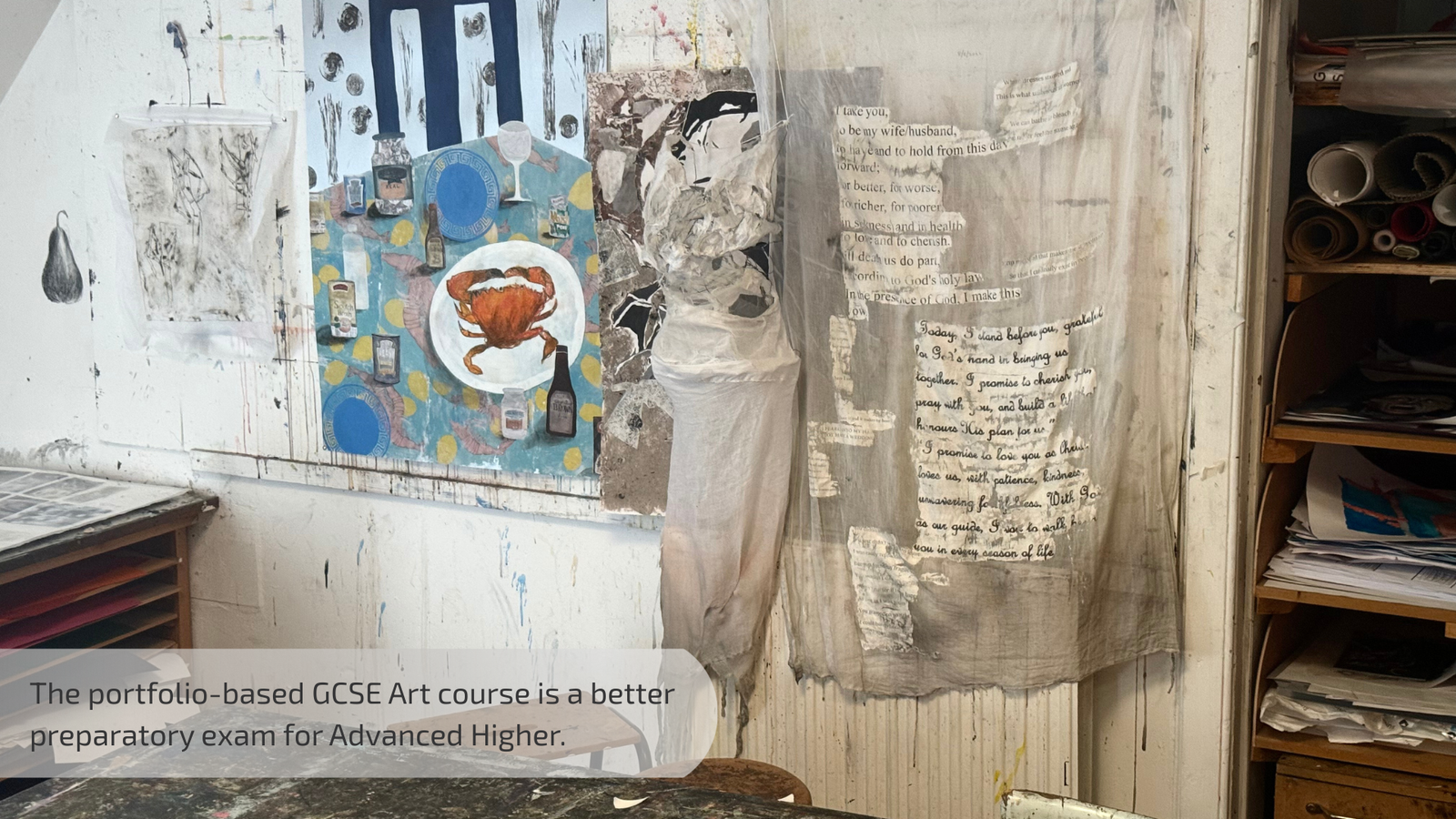
A unique aspect of the Steiner curriculum is the integration of the arts into all academic disciplines throughout the education. This encourages the pupils’ emotional engagement with their learning, as well as develops their imagination and freedom of thinking, and instils aesthetic appreciation.
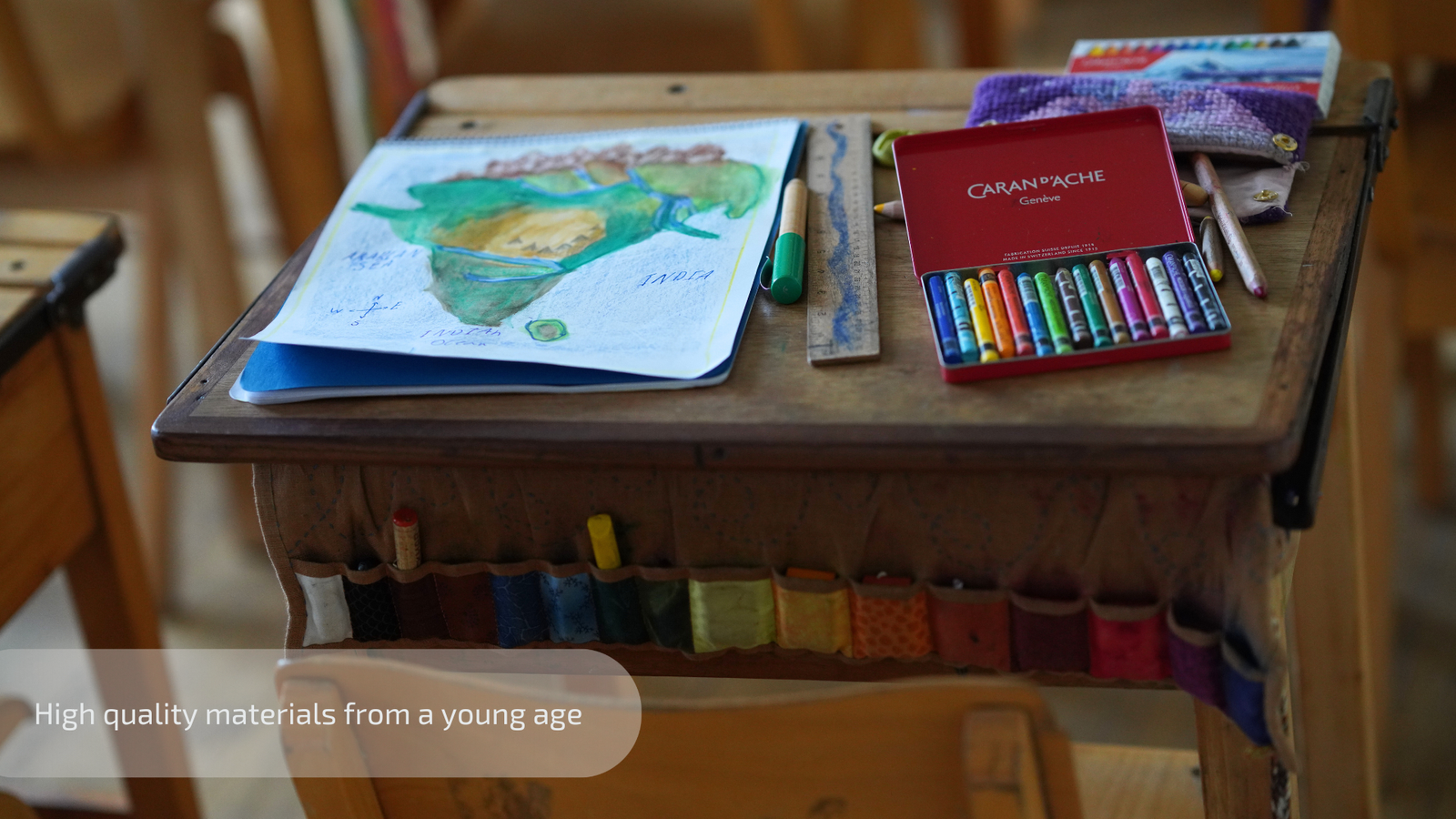
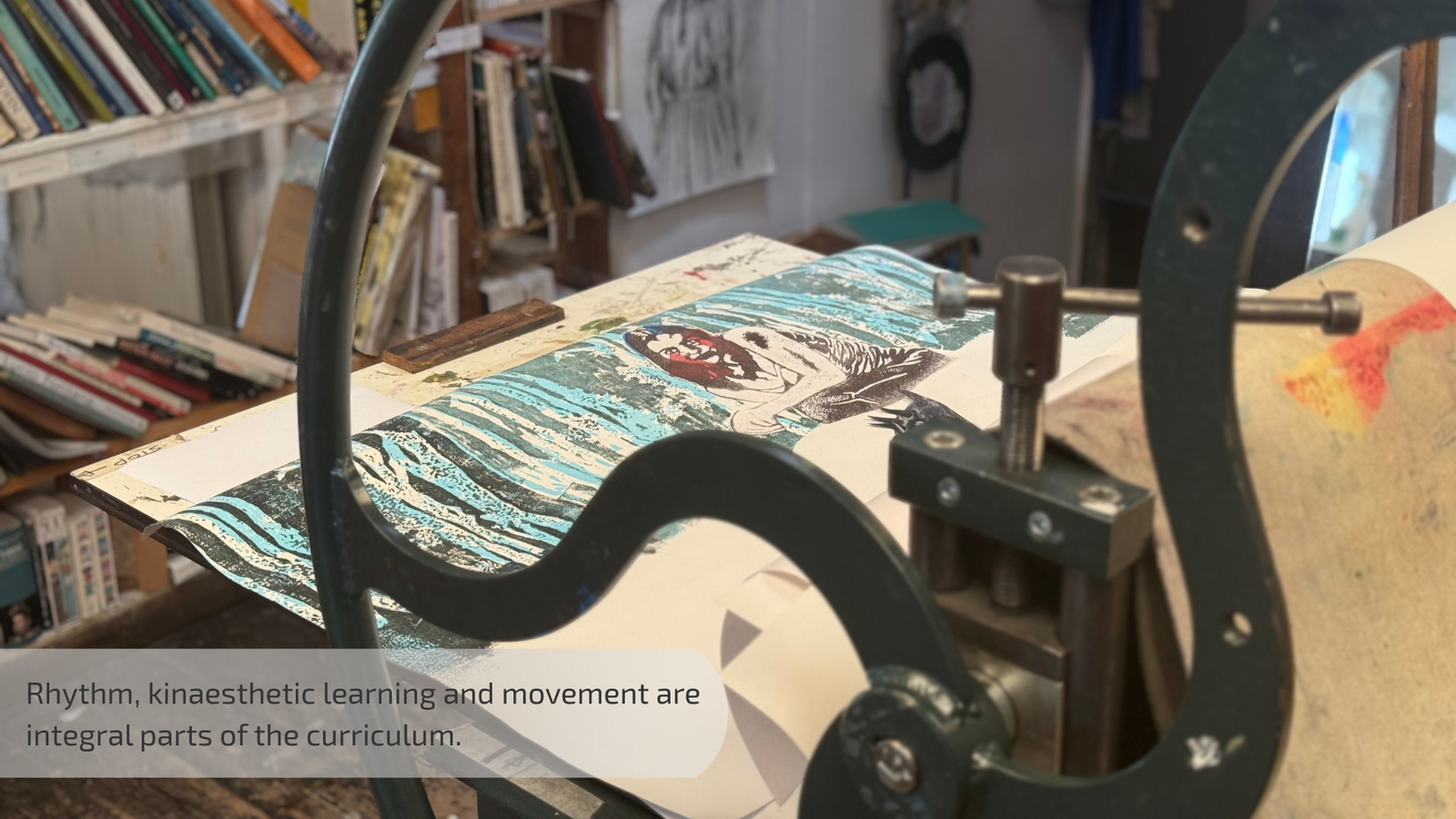
Pupils work in a wide variety of techniques, including painting, and drawing, sculpture, metalwork, woodwork and handwork.
Sciences
The sciences and creative arts are deeply linked. Waldorf education teaches the sciences differently from mainstream Scottish schools in several distinct ways. It is more experiential in the younger years.
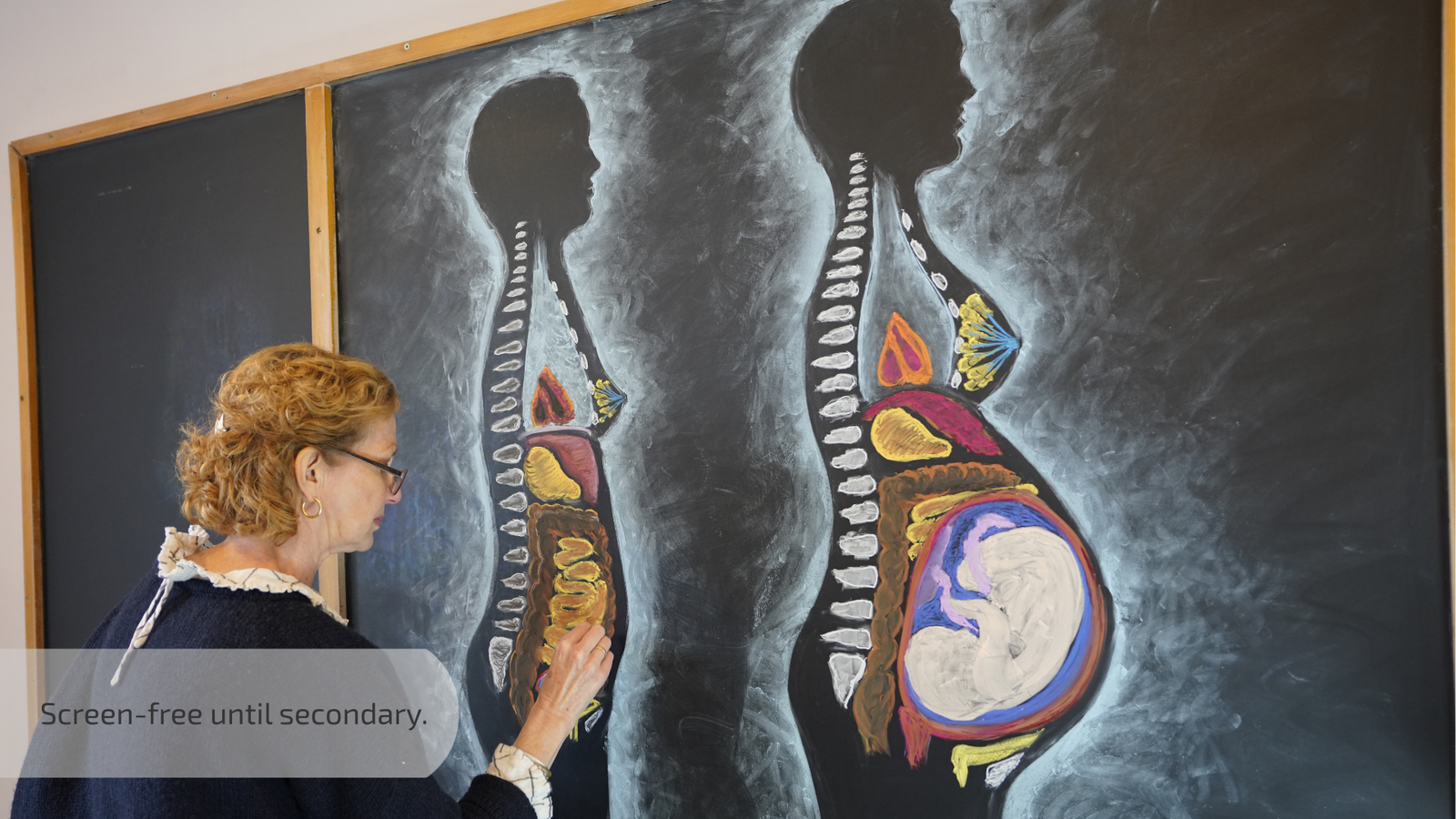
Pupils engage in practical project work (such as building a lime kiln to create whitewash); and receive enriching Main Lessons on subjects as diverse as Organic Chemistry, Mechanics, Climatology, Embryology, Electronics, Anatomy, Botany, Human Organs. Only afterwards do they derive concepts and laws.
Formal Chemistry, Physics and Biology are later offered at Nat 5/Higher level, and Chemistry at Advanced Higher level (from 2027/28).
Results are excellent, with an overwhelming majority of candidates achieving grades ‘A’ or ‘B’. This success is built on the solid foundations formed by the earlier phenomenological approach.
Music
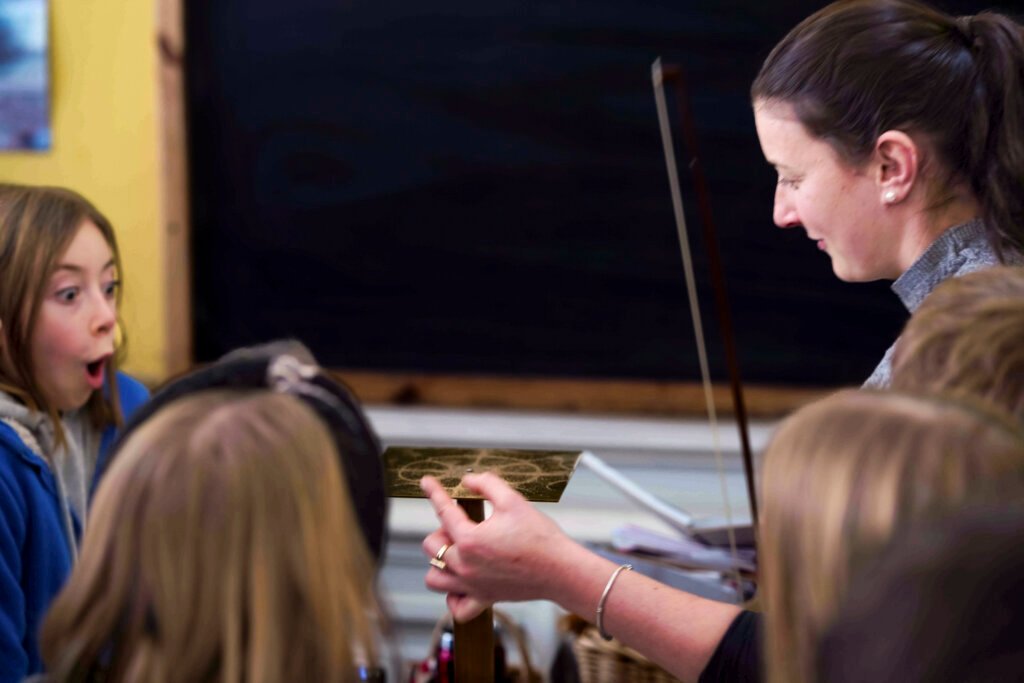
Music has always been integral to the Steiner curriculum and its ability to raise academic standards is now becoming increasingly documented. Singing forms a key element of each Main Lesson as pupils learn songs related to the topics they are studying or that reflect the season. They progress from singing in unison to four part rounds and harmonies. Singing is also essential to Modern Language classes.
All pupils in Lower School are taught to play the pentatonic flute and recorder. Class orchestras are formed and, where possible, timetabled as part of the curriculum.
We have a successful school orchestra which provides the accompaniment for the many school productions while the Lower School and Upper School choirs regularly perform at school events. Pupils successfully audition for outside orchestras, such as the Meadows Orchestra on campus and the junior and senior National Youth Orchestras of Scotland (NYOS).
Drama
Drama is a medium that can empower children on an individual level as well as encourage greater social cohesion as a class. From Kindergarten to Class 12, all pupils work on and perform pieces that range from fairy stories and myths to Oscar Wilde and Shakespeare. Performances take place in a range of Modern Languages including English, French and German to further develop language skills.
Pupils of all ages regularly perform alongside their parents and teachers at public concerts and plays, and, each year, Class 12 perform a play as their leaving gift to the school.
Eurythmy
Eurythmy is an art of movement unique to Steiner Schools. It seeks to express the sounds of speech and music, while awakening artistic sensitivity and good coordination within each individual. It also promotes social awareness within the group. As well as being practised throughout the school, eurythmy is used curatively as a therapy and is performed as a stage art.