Creative Arts & Sciences

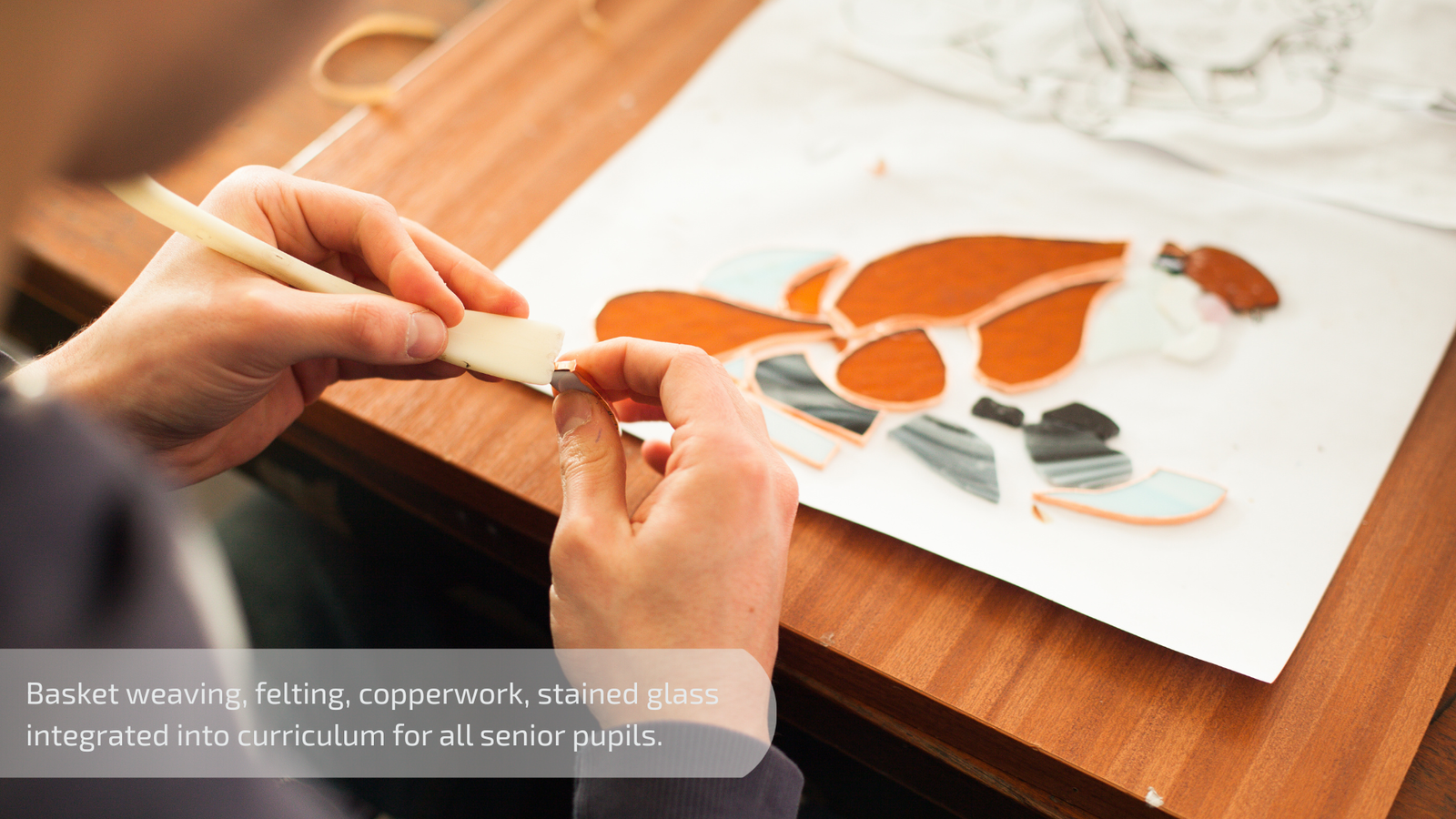
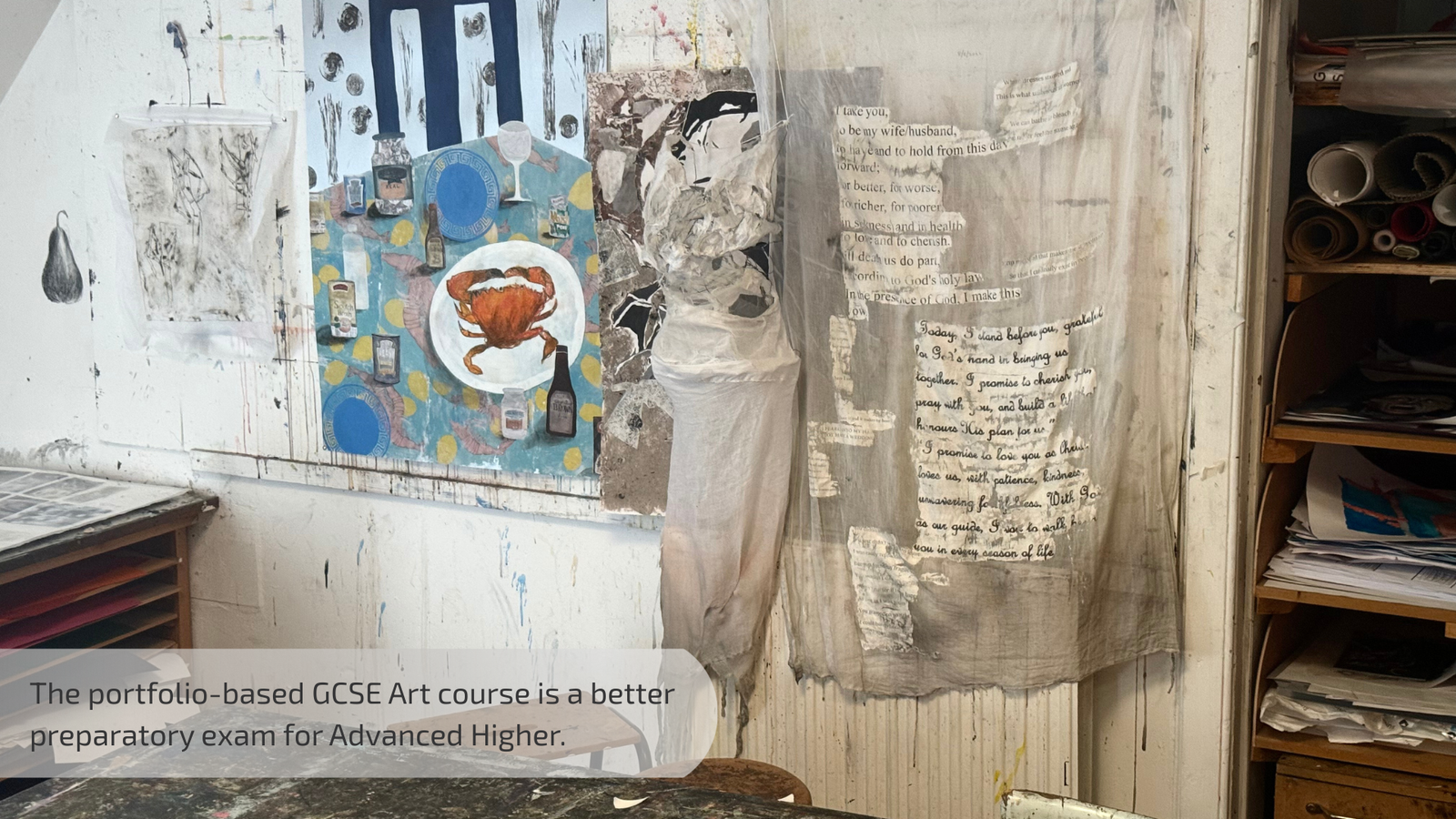
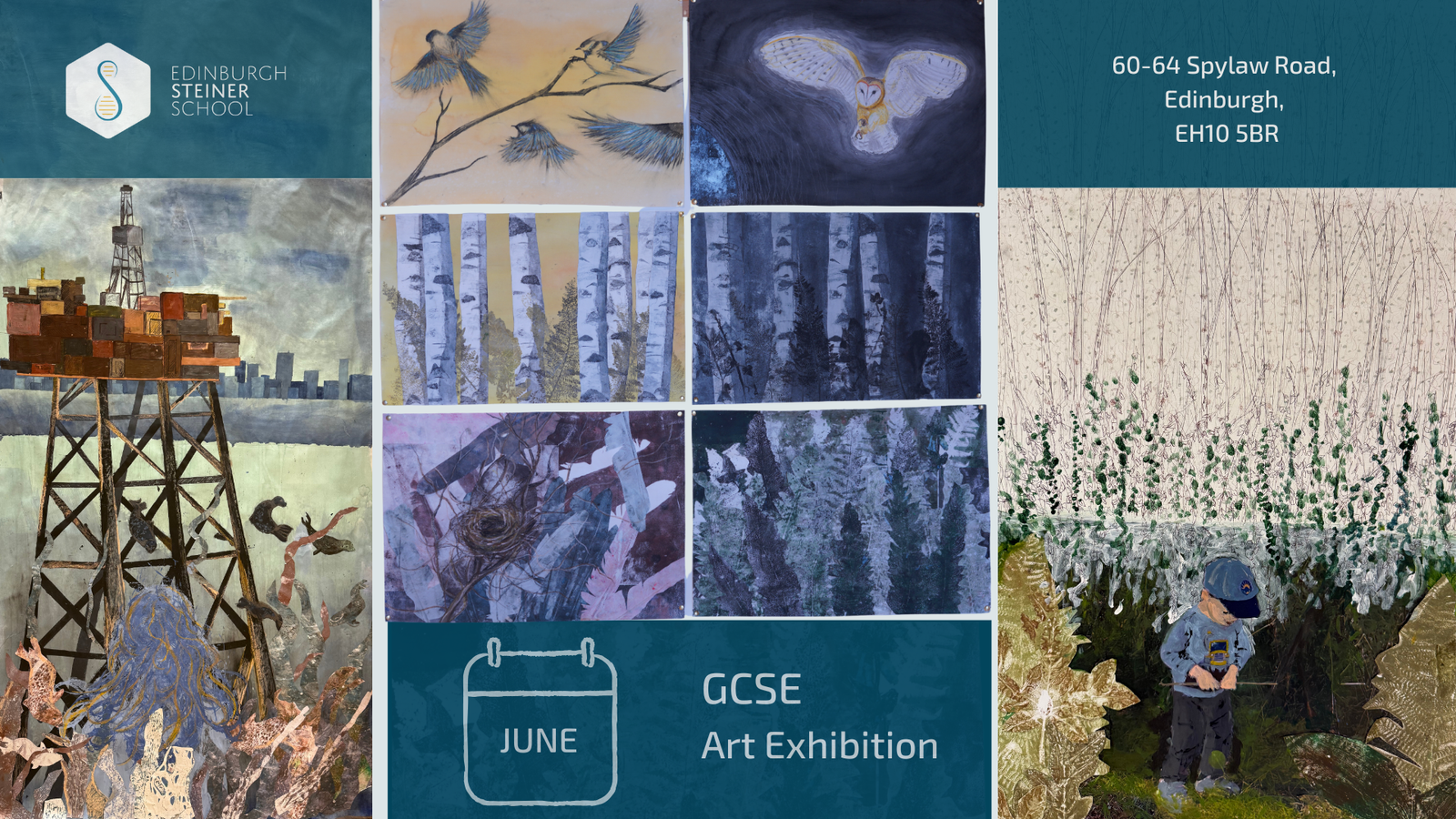
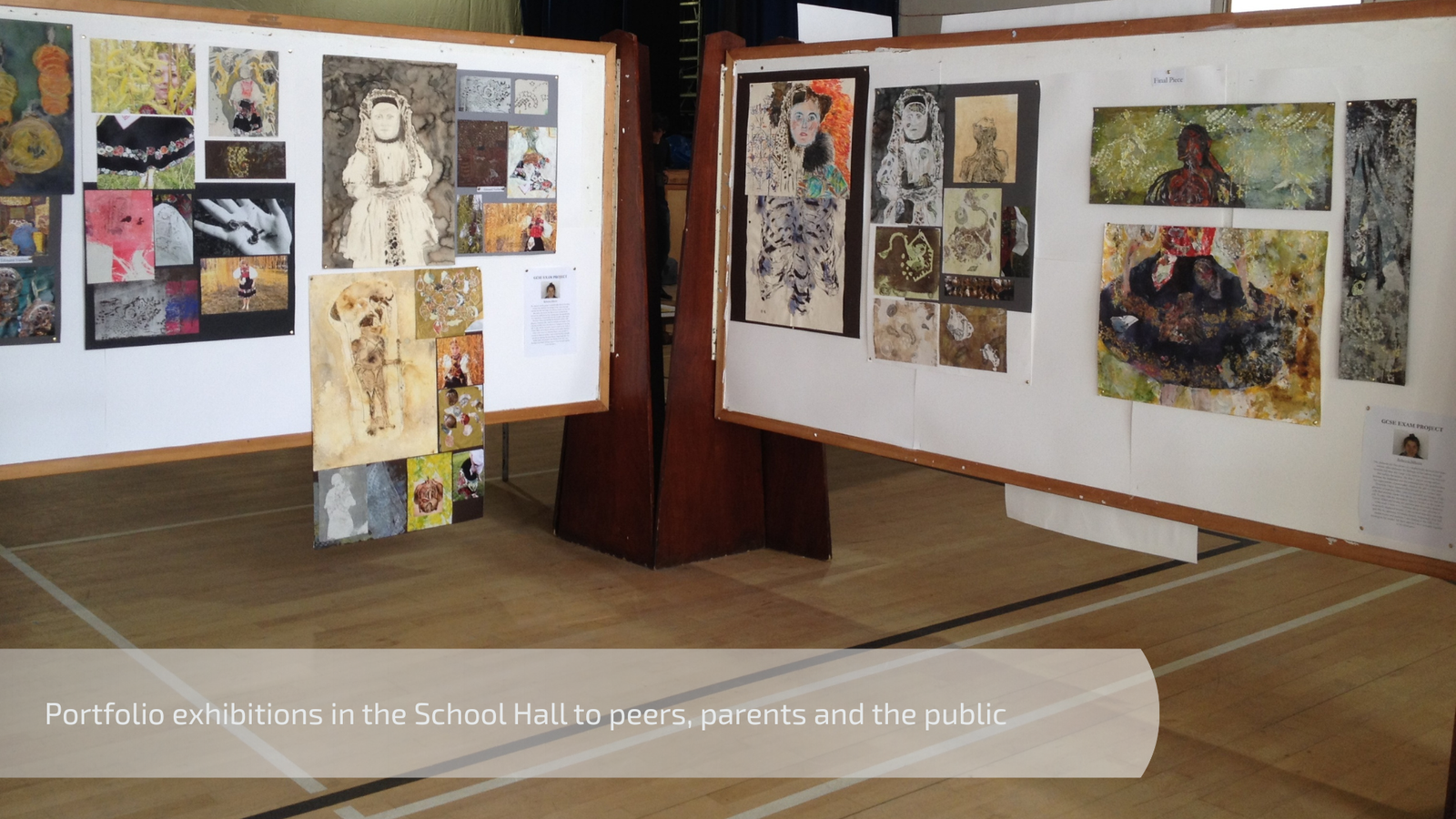
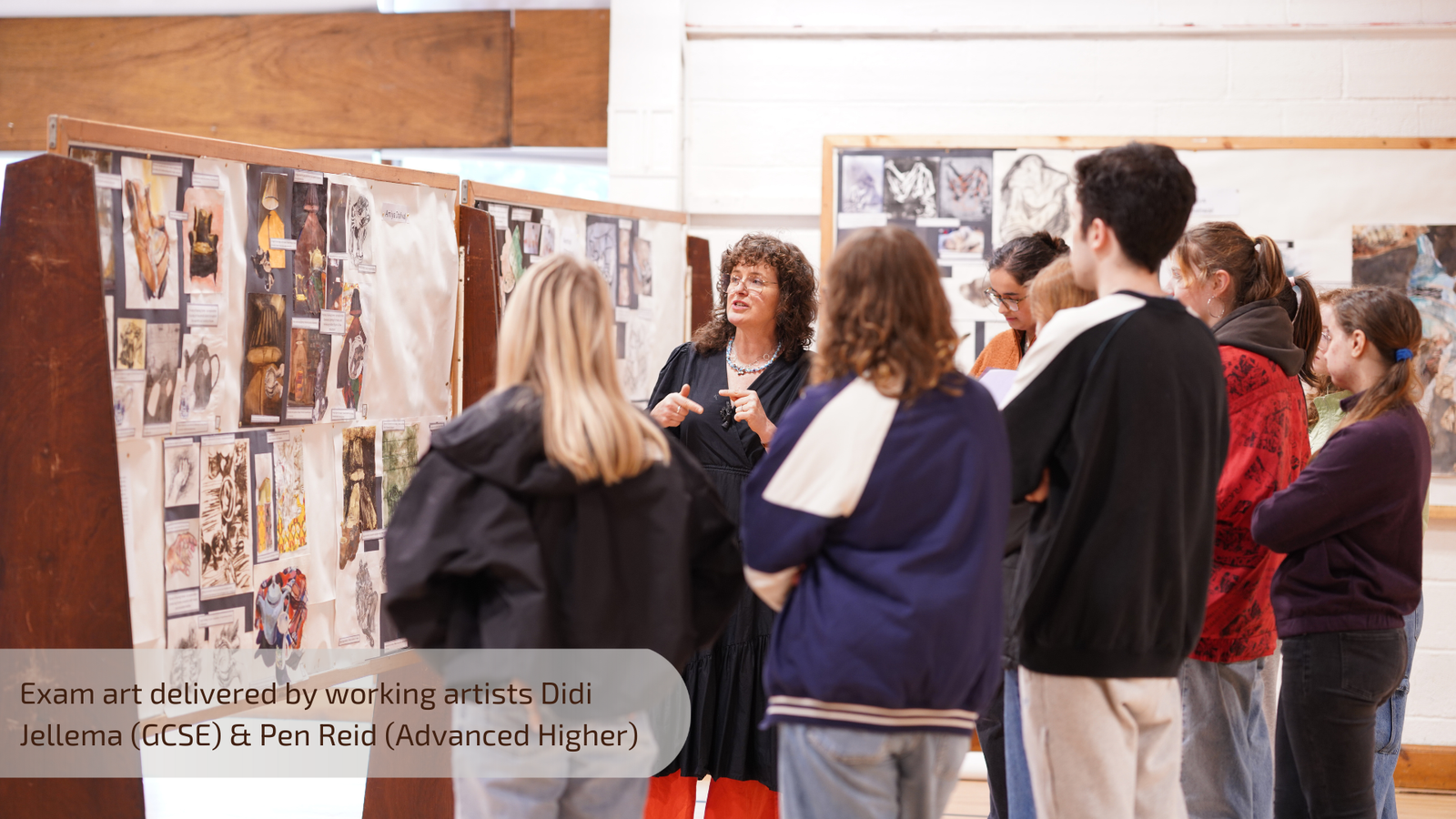
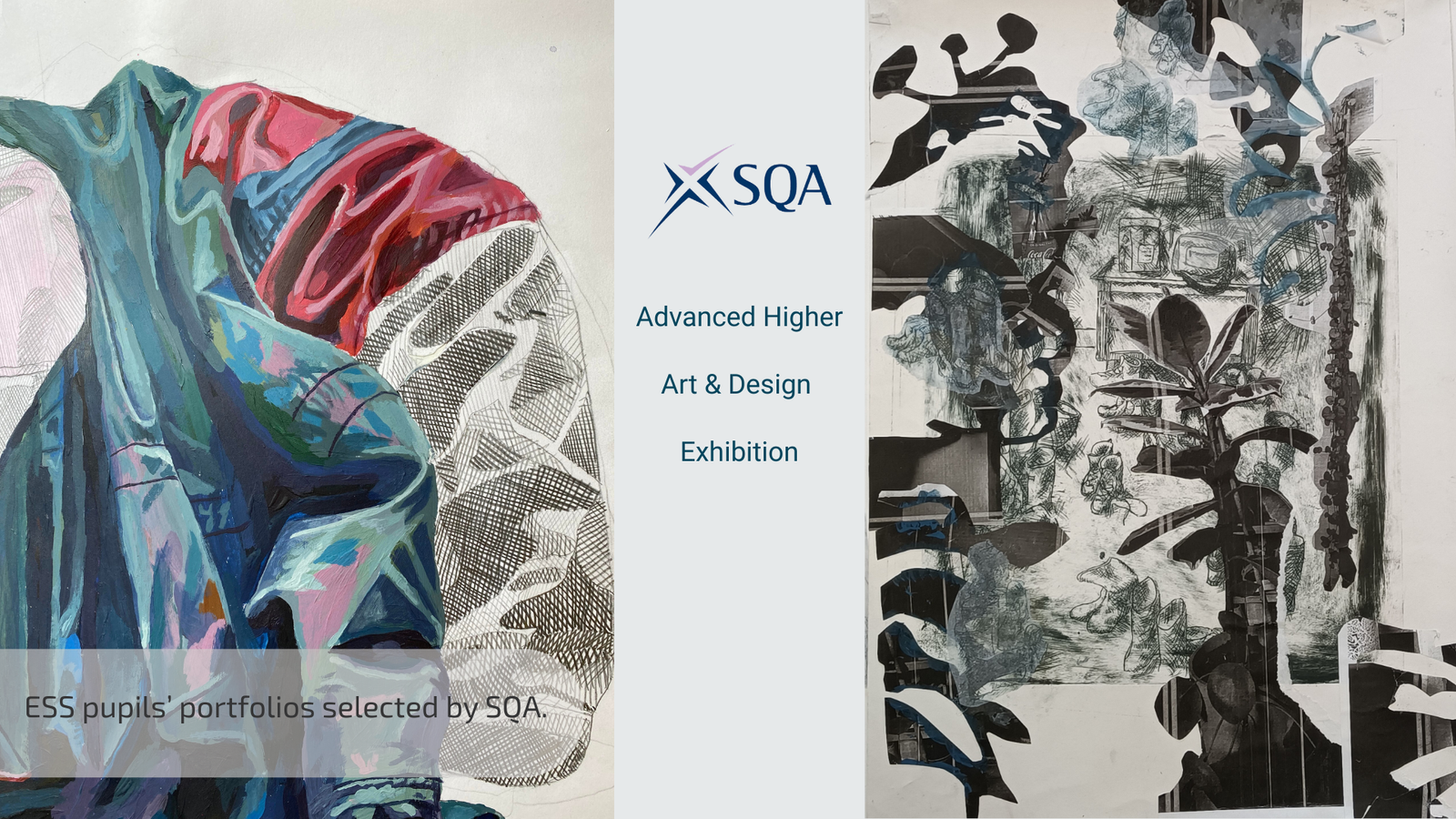
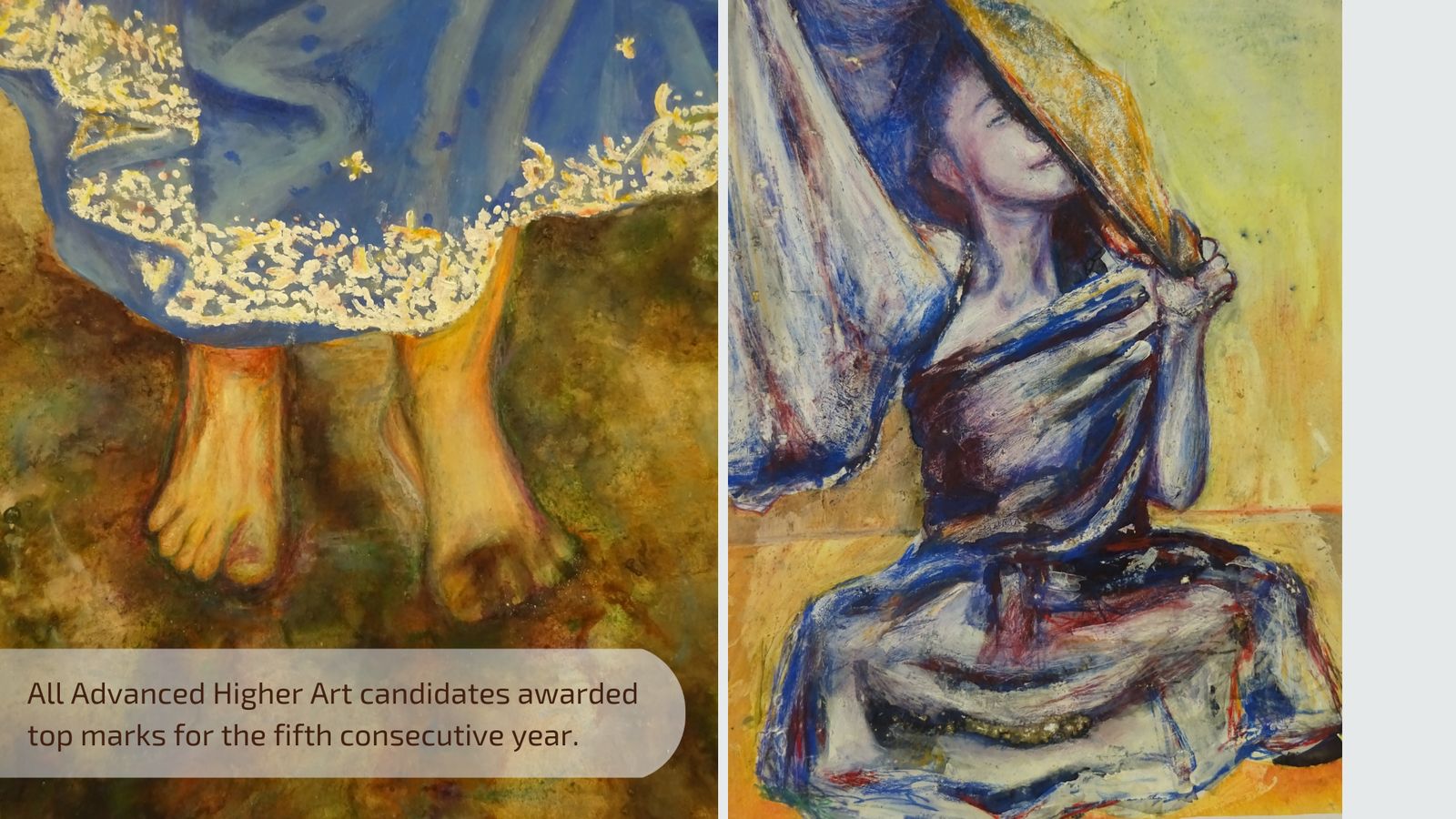
Pupils at Edinburgh Steiner School benefit from a curriculum which embodies unique breadth and depth, spanning the creative arts, humanities and natural sciences. While the school is known for its outstanding exam results in Art & Design—the foundations for which are laid by exposing pupils to a wide range of skills, including handwork, clay modelling, basket-weaving and stained glass - we are equally proud of our sciences.

Teachers teach to the whole child - head, heart, and hands and each lesson is revealed in a three-fold manner: through the intellectual capacities (thinking), artistic and emotional capacities (feeling), and practical skill-building capacities (willing).

I believe that training in the arts, especially classical music but also painting and writing, trains the mind because it teaches a person that one cannot be creative and innovative if one doesn’t first master a skill. Creativity comes on top of technical ability.

- Professor Thomas Sudhof, Nobel Laureate in Neuroscience and Waldorf Graduate

Art

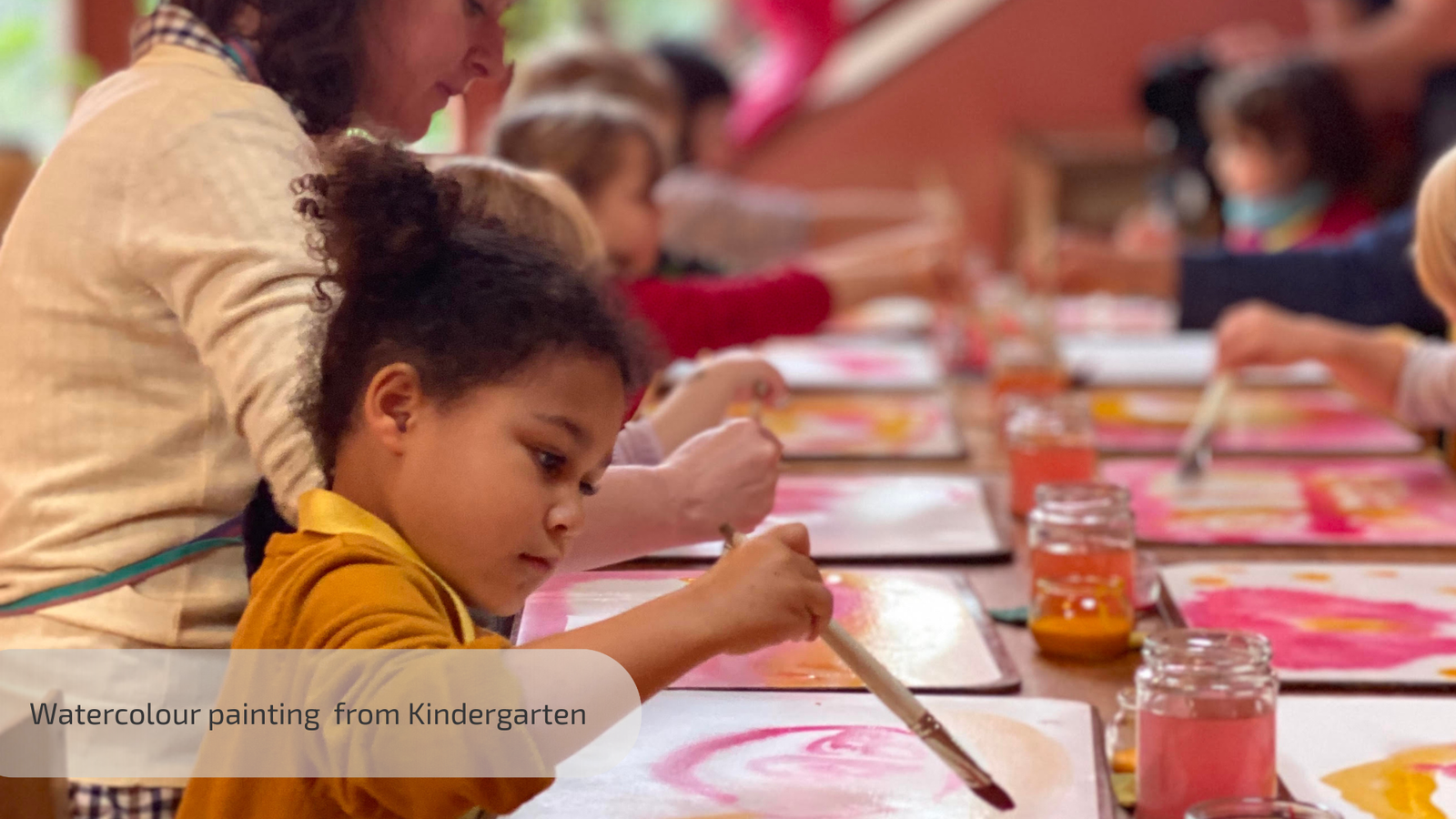
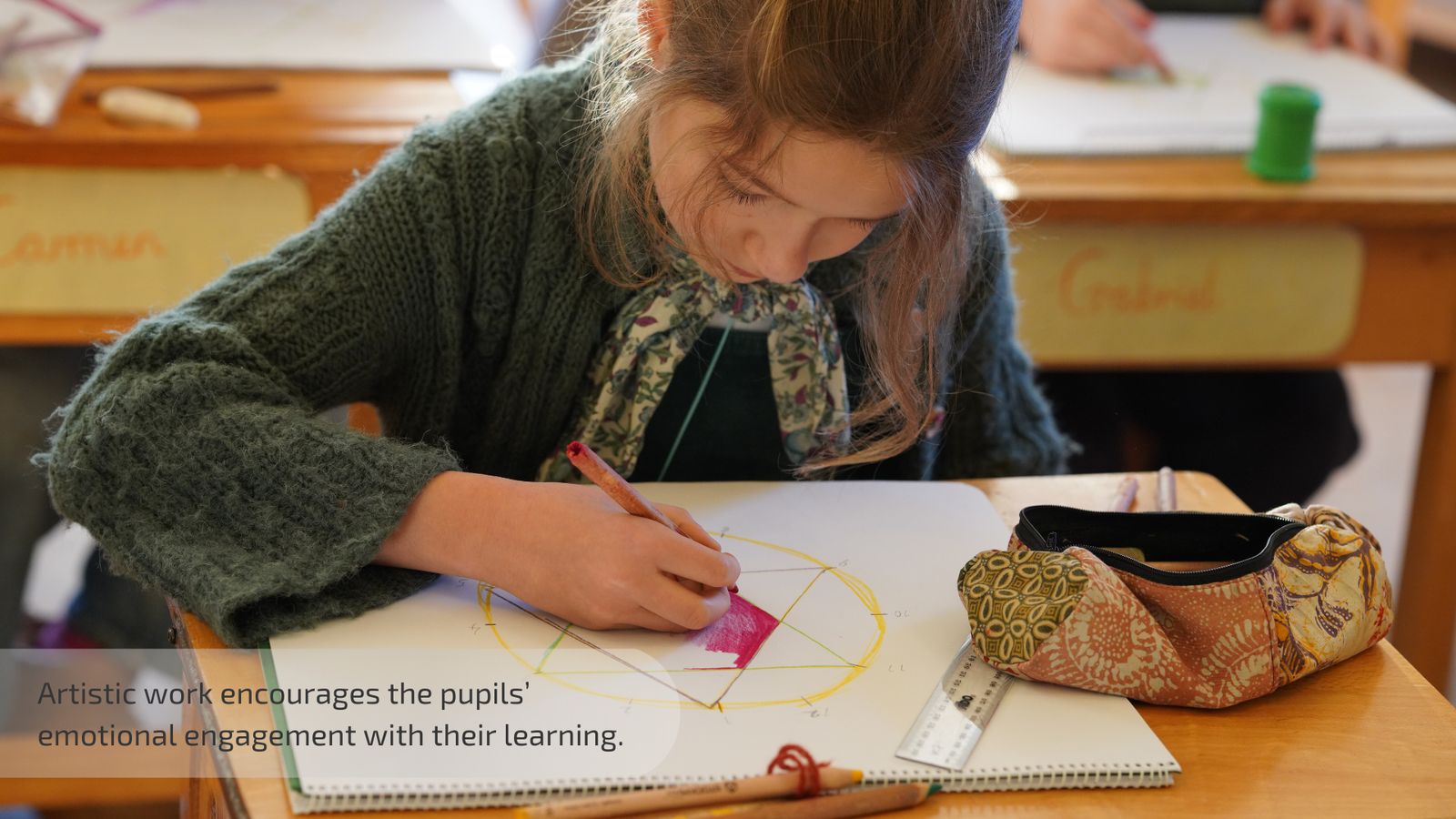
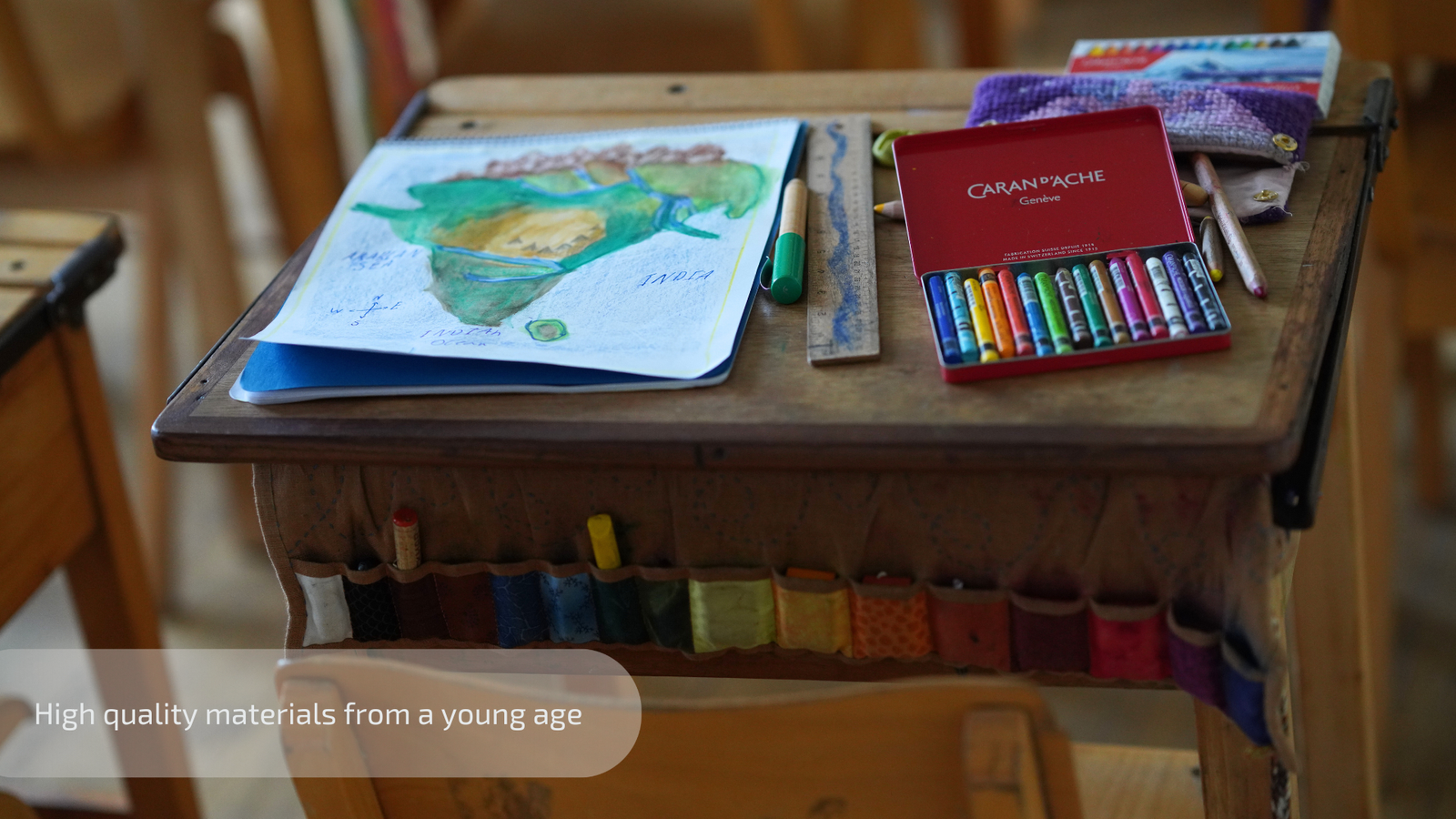
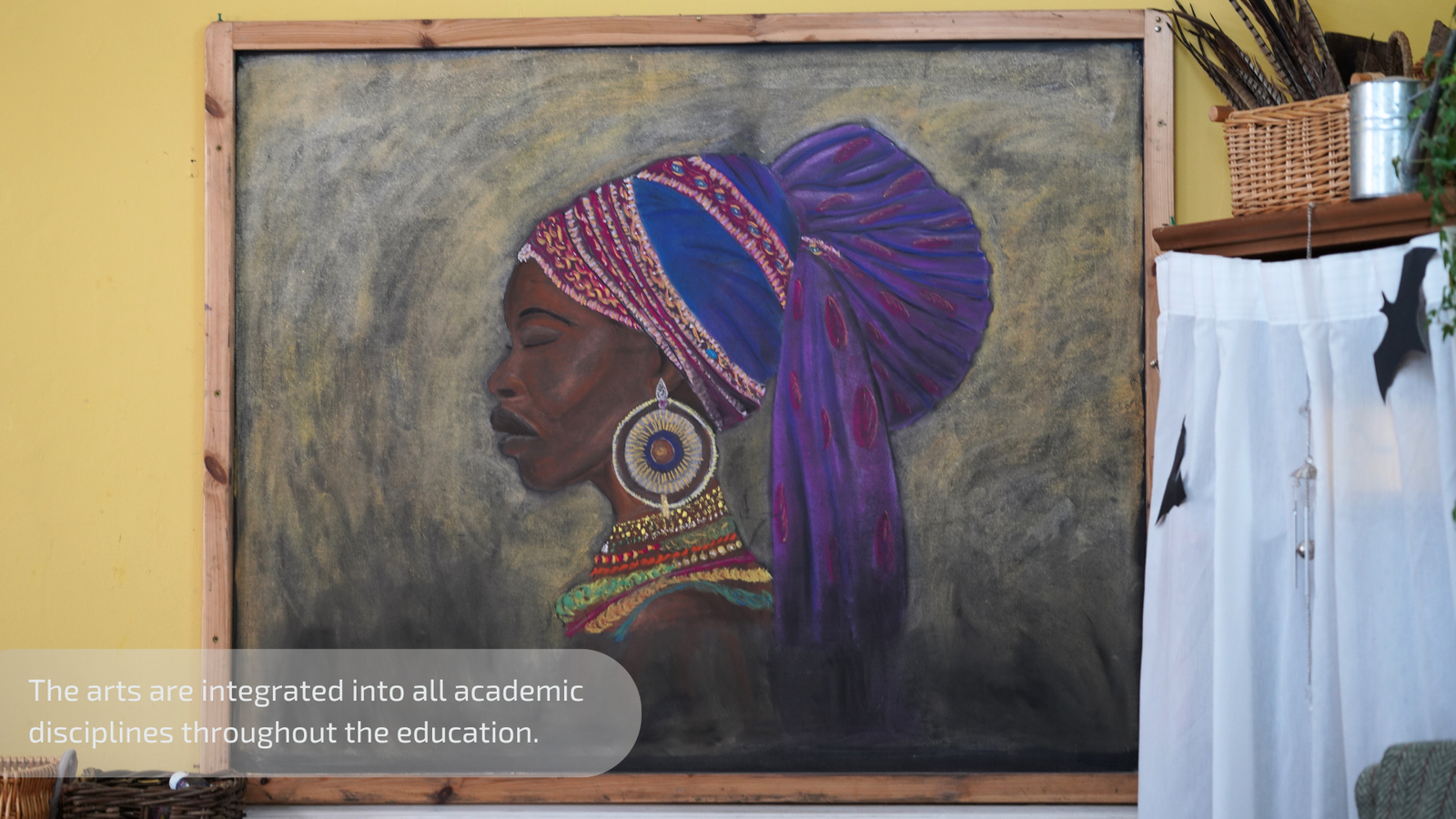
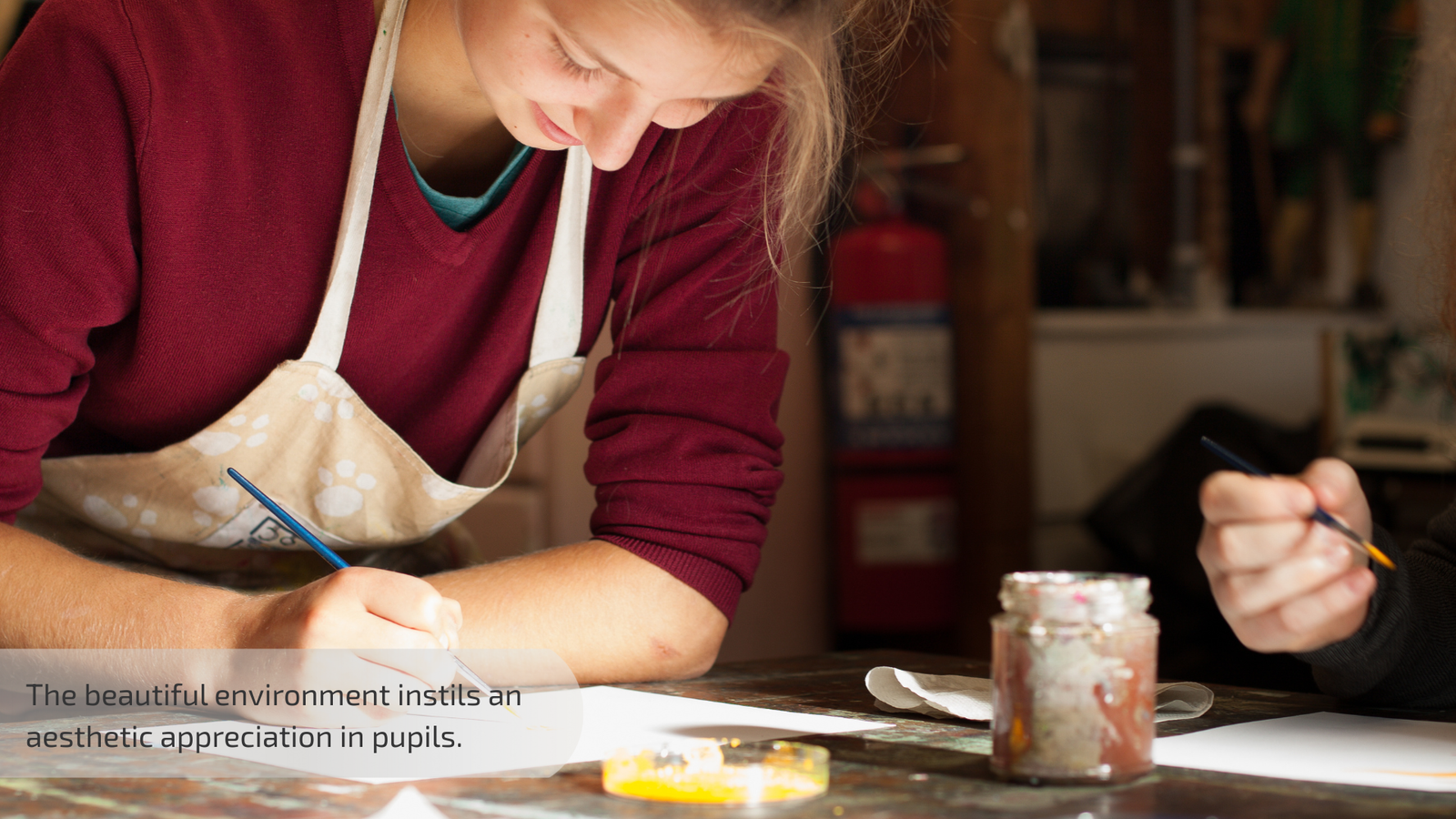
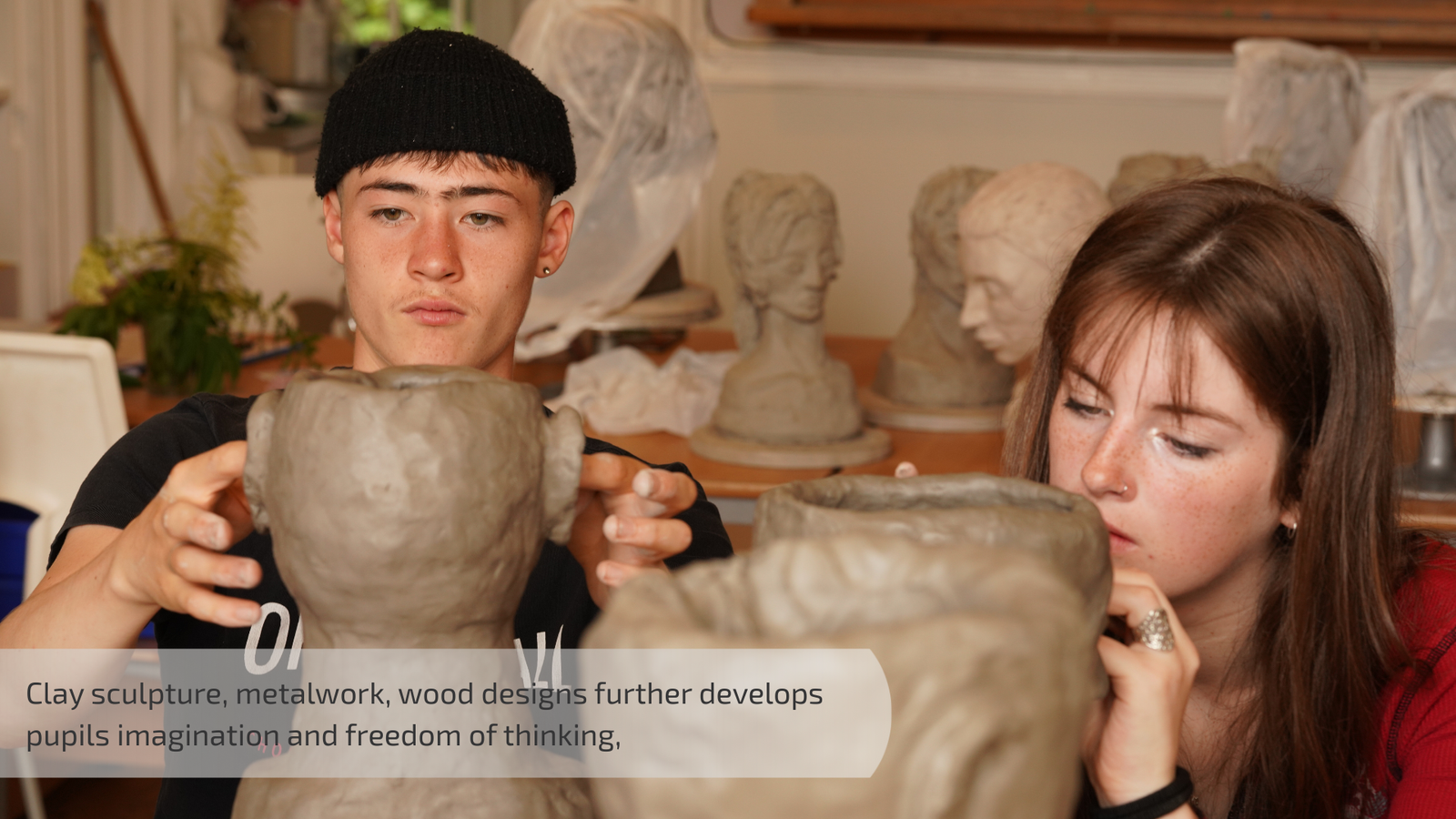
A unique aspect of the Steiner curriculum is the integration of the arts into all academic disciplines throughout the education. This encourages the pupils’ emotional engagement with their learning, as well as develops their imagination and freedom of thinking, and instils aesthetic appreciation.

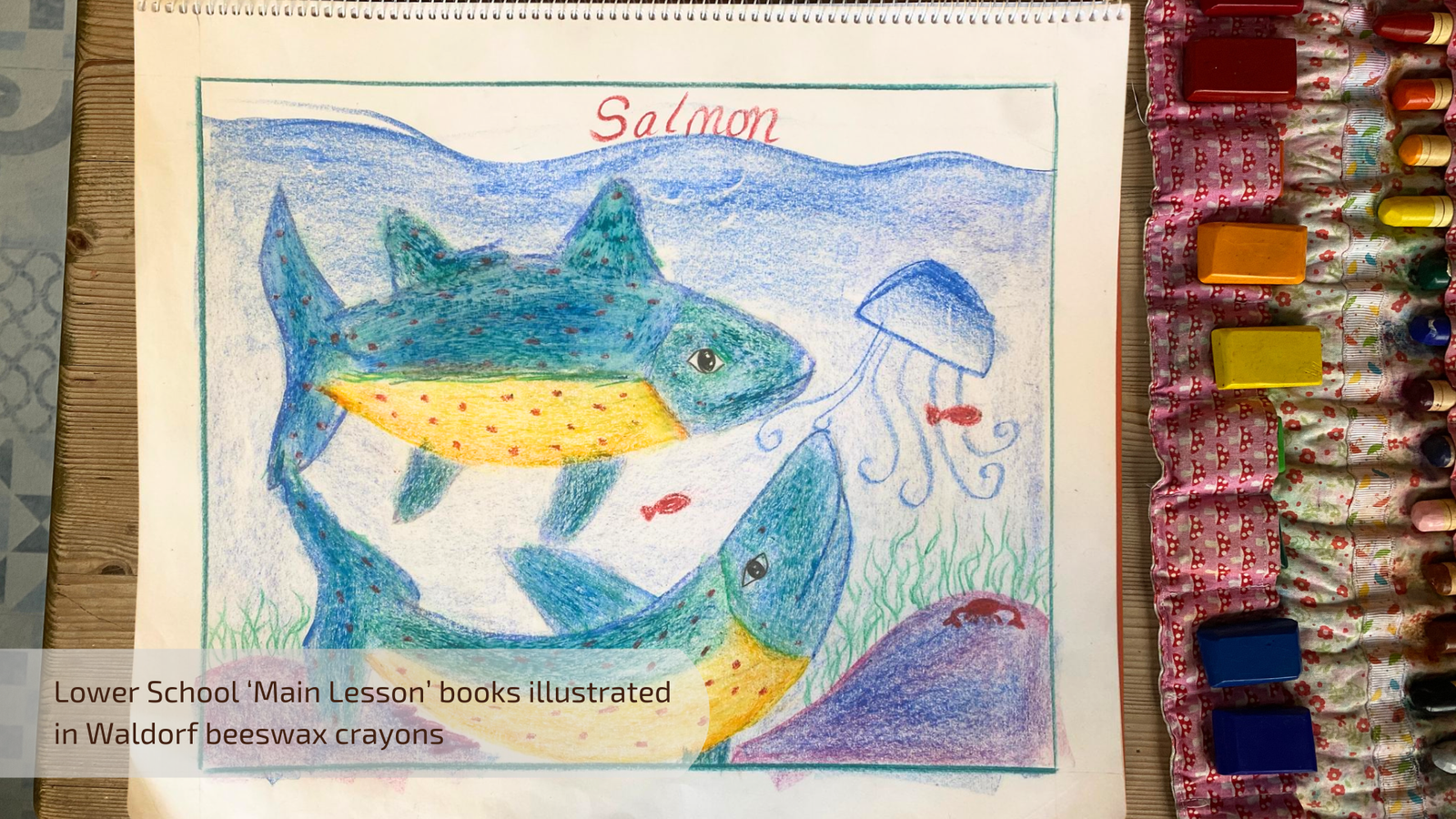
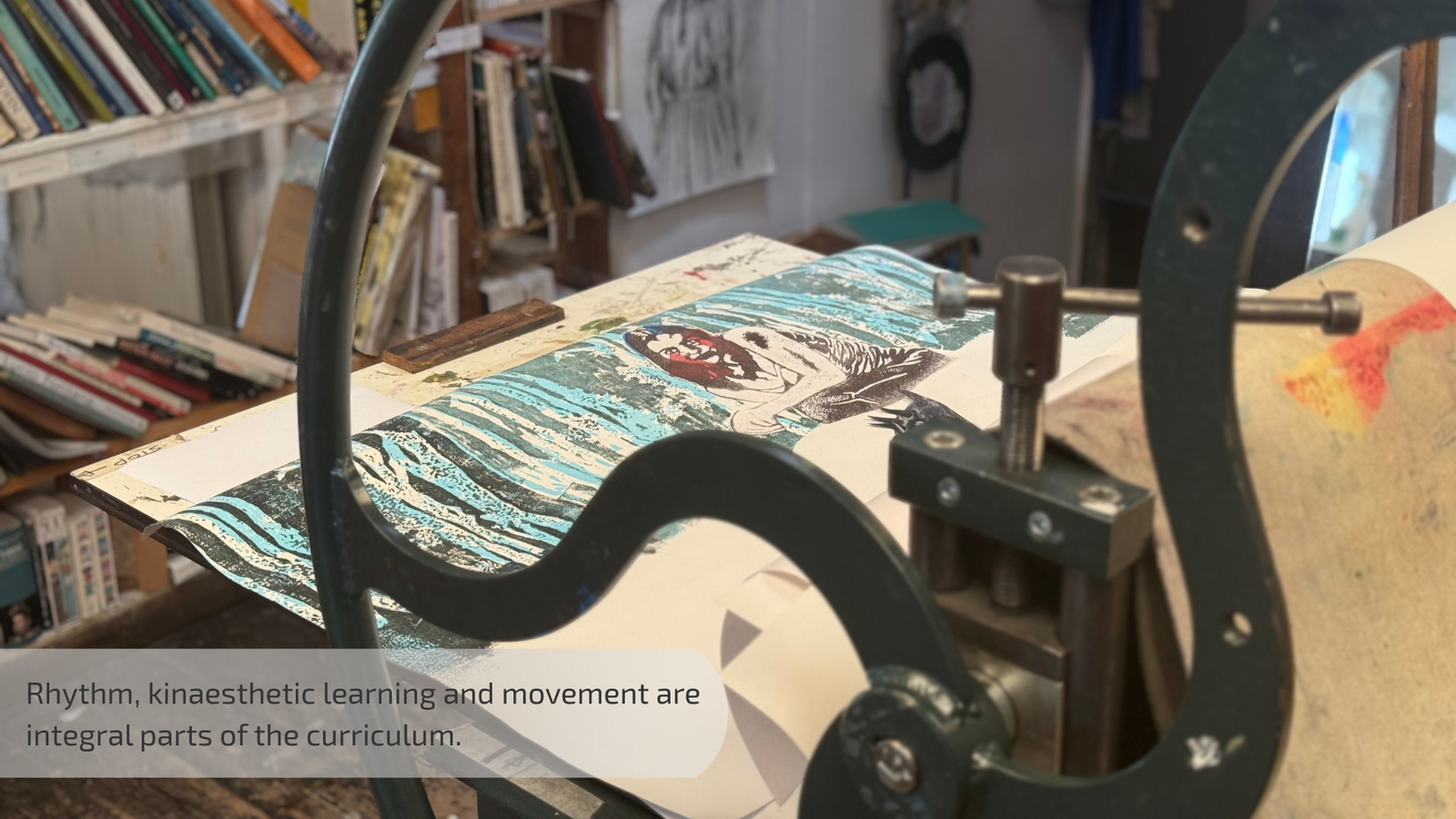
Pupils work in a wide variety of techniques, including painting, and drawing, sculpture, metalwork, woodwork and handwork.

Sciences

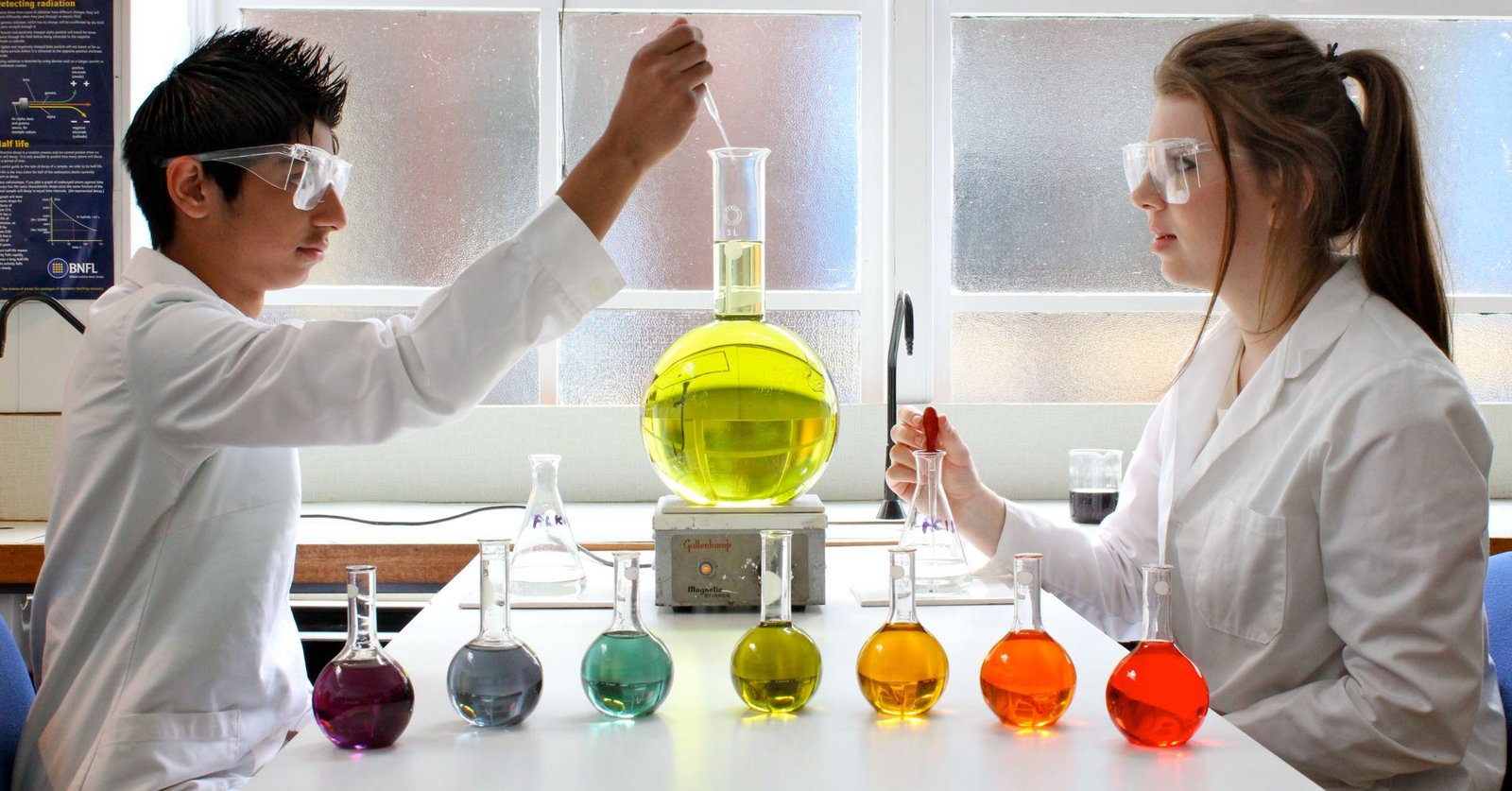
The sciences and creative arts are deeply linked. Waldorf education teaches the sciences differently from mainstream Scottish schools in several distinct ways. It is more experiential in the younger years.

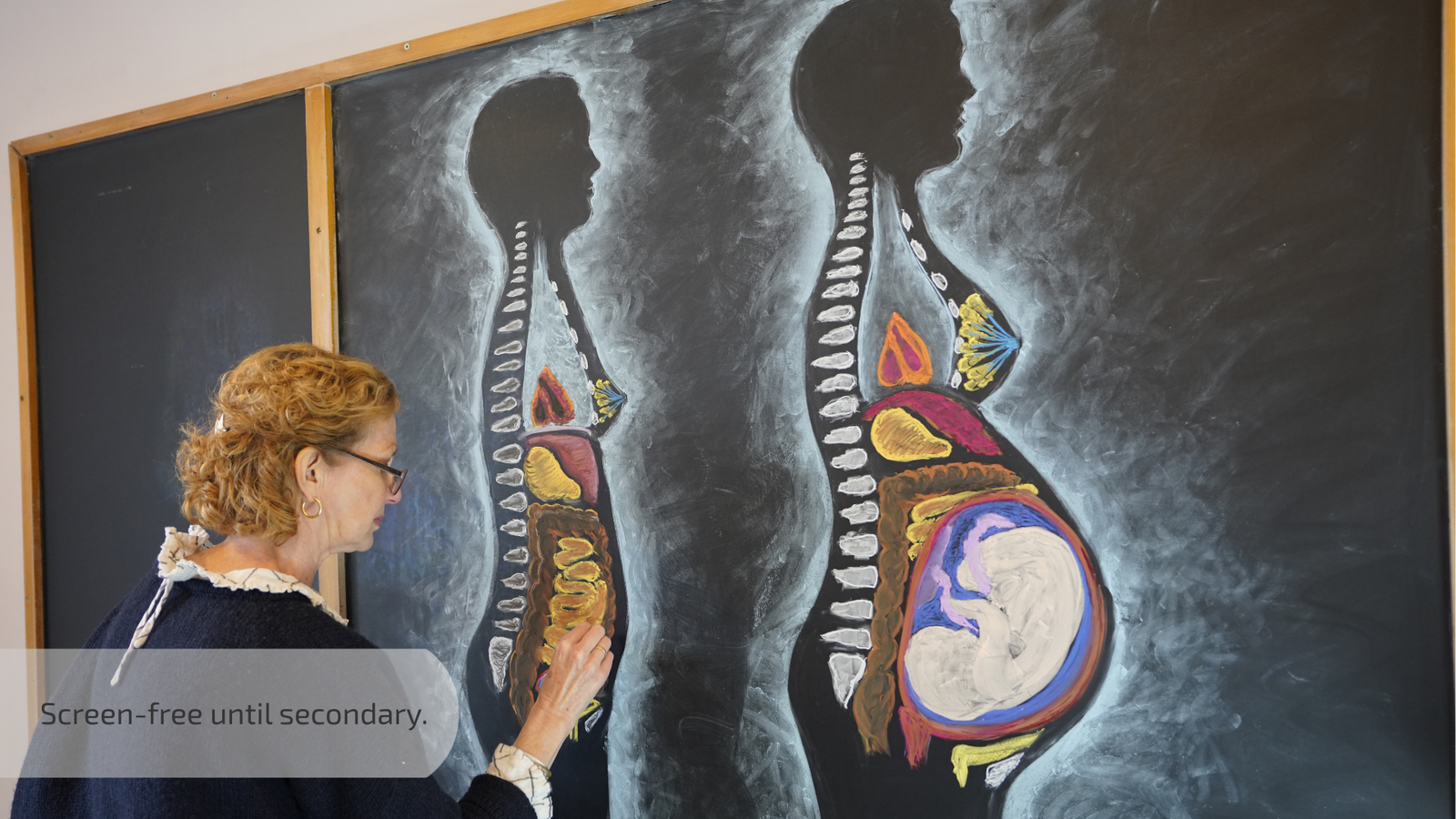
Pupils engage in practical project work (such as building a lime kiln to create whitewash). Only afterwards do they derive concepts and laws. All senior pupils receive enriching Main Lessons on subjects as diverse as Organic Chemistry,  Mechanics, Climatology, Embryology, Electronics, Anatomy, Botany, Human Organs. 

Formal Chemistry, Physics and Biology are later offered at Nat 5/Higher level, and Chemistry at Advanced Higher level (from 2027/28).

Results in the sciences are excellent, with an overwhelming majority of candidates achieving grades ‘A’ or ‘B’. This success is built on the solid foundations formed by the earlier phenomenological approach.
Music

Music has always been integral to the Steiner curriculum and its ability to raise academic standards is now becoming increasingly documented. Singing forms a key element of each Main Lesson as pupils learn songs related to the topics they are studying or that reflect the season. They progress from singing in unison to four part rounds and harmonies. Singing is also essential to Modern Language classes.

All pupils in Lower School are taught to play the pentatonic flute and recorder. Class orchestras are formed and, where possible, timetabled as part of the curriculum.

We have a successful school orchestra which provides the accompaniment for the many school productions while the Lower School and Upper School choirs regularly perform at school events. Pupils successfully audition for outside orchestras, such as the Meadows Orchestra on campus and the junior and senior National Youth Orchestras of Scotland (NYOS).

Drama

Drama is a medium that can empower children on an individual level as well as encourage greater social cohesion as a class. From Kindergarten to Class 12, all pupils work on and perform pieces that range from fairy stories and myths to Oscar Wilde and Shakespeare. Performances take place in a range of Modern Languages including English, French and German to further develop language skills.

Pupils of all ages regularly perform alongside their parents and teachers at public concerts and plays, and, each year, Class 12 perform a play as their leaving gift to the school.

Eurythmy

Eurythmy is an art of movement unique to Steiner Schools. It seeks to express the sounds of speech and music, while awakening artistic sensitivity and good coordination within each individual. It also promotes social awareness within the group. As well as being practised throughout the school, eurythmy is used curatively as a therapy and is performed as a stage art.

"Nobel Laureates in the sciences are:
25 times as likely as average scientists to singdance or act;
17 times likelier to be a painter,
12 times as likely to be a poet,
And 4 times as likely to be a musician."

Professor Bernstein