Waldorf UK responds to Australia's social media ban for under 16-year-olds. 


Subscribe: weekly ESS news every term-time Tuesday 


With the Australian Government’s ban on social media for under-16s, public debate is growing around screen time for children.

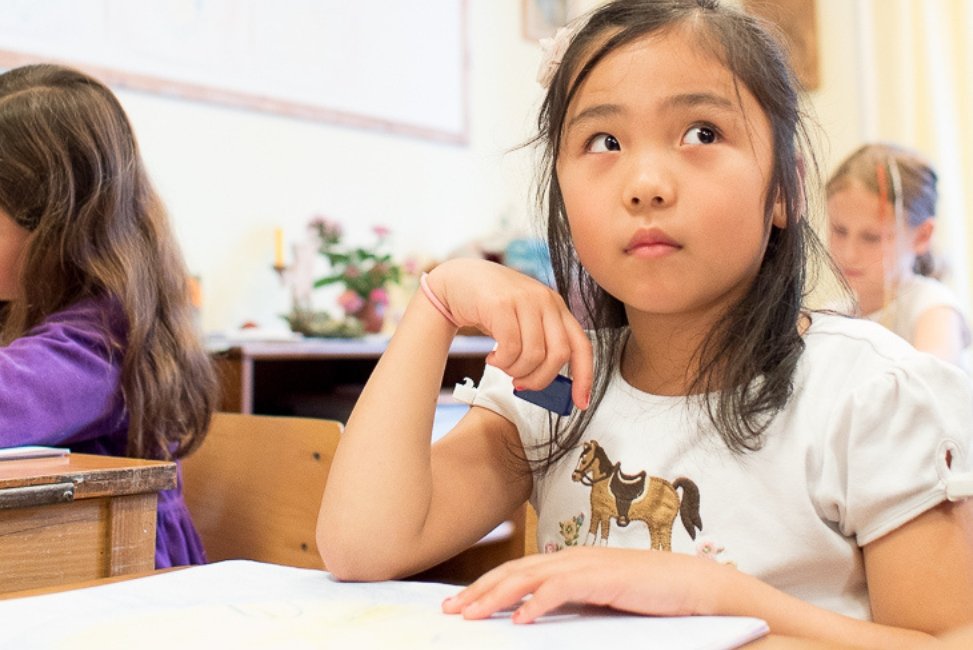
Steiner Waldorf schools stand out for offering something rare: a fully screen-free education until secondary school. For many families, this is a decisive reason for choosing a Waldorf education — a place where childhood unfolds in the real world, preparing children for entering the virtual one.

What Steiner Waldorf schools do:

● First analogue, then digital. We emphasise the importance of analogue experiences — time spent in nature, storytelling, drawing, hand-crafts (sewing/knitting/woodwork), music, movement, drama and other arts — in early years and primary education.

● Developing Media maturity. Through the HERMMES Project — supported by the European Council for Steiner Waldorf Education (ECSWE) — our schools follow a structured, age-appropriate media education curriculum that aims for “media maturity.” By the end of their school career, pupils are equipped not only to use digital media competently for learning, civic participation and work — but to make conscious, critical, self-regulated decisions about how much time they spend on digital tools and for what purpose.

● Digital literacy, when introduced, complements — not replaces — human teaching. When digital technology is introduced, it is treated as a supportive tool, enhancing learning without displacing the central role of teacher, peer interaction, hands-on activity, and direct engagement with the natural and social world.

● Holistic, child- centred education. Our approach is grounded in the principle of educating the “whole child” — head, heart and hands — giving equal weight to intellectual, emotional, social and practical development.

"The Edinburgh Steiner School is a community of parents who don't want our children on screens for hours and hours a day from the age of nine, and that's possible here," shared parent, William Sutcliffe, in the ESS short film Community. "You need a community to do that. You can't do that on your own as a parent...and it turns the campus of the school into such a lovely place, such a happy place, such a warm place." 


A society that asks children to wait before entering the world of social media is recognising that healthy development requires time free from constant comparison, performance, and addictive algorithms," Edinburgh Steiner parent of three, and Smartphone-free Childhood campaigner, Sara Nelson.  "This decision, which is long overdue and backed by overwhelming evidence of the harms, should be applauded. Protecting childhood in this way gives children the space to develop their individuality and confidence in their sense of self.


A further Steiner Waldorf parent said: "The screen-free environment was the main reason we chose Waldorf education for our son. He was able to enjoy a childhood free of worry and stress and now as a teenager he is present, grounded and socially connected in ways that feel healthy."

Fran Russell, Executive Director of Waldorf UK said: “In Waldorf schools we embrace digital technologies as incredible tools for our society but it is absolutely clear that to thrive in this fast moving digital world children first need time and space to mature naturally — socially, emotionally, physically and imaginatively."

Waldorf UK is the representative body for Steiner Waldorf education in the UK, supporting 18 schools and 10 independent kindergartens, which seek to develop academic, social and emotional growth equally. The Steiner Academy Hereford is part of the state sector. All other schools are independent.

“Our approach is not about denying technology — it is about respecting childhood, protecting wellbeing, and cultivating maturity, critical thinking, creativity and balanced media use.”

#WeAreWaldorf

Leave a Reply

Your email address will not be published. Required fields are marked *